Epoxy Coating & Installation

Epoxy Coating & Installation

Epoxy Coating & Installation

Why Epoxy Coating Is a Game-Changer for Your Floors

Floors are the quiet workhorses of every space. They absorb footsteps, handle spills, and hold the weight of everything we place on them—furniture, equipment, and even our cars. Yet they’re often the last thing we think about upgrading—until cracks appear, stains set in, or the dullness just becomes too much to ignore.

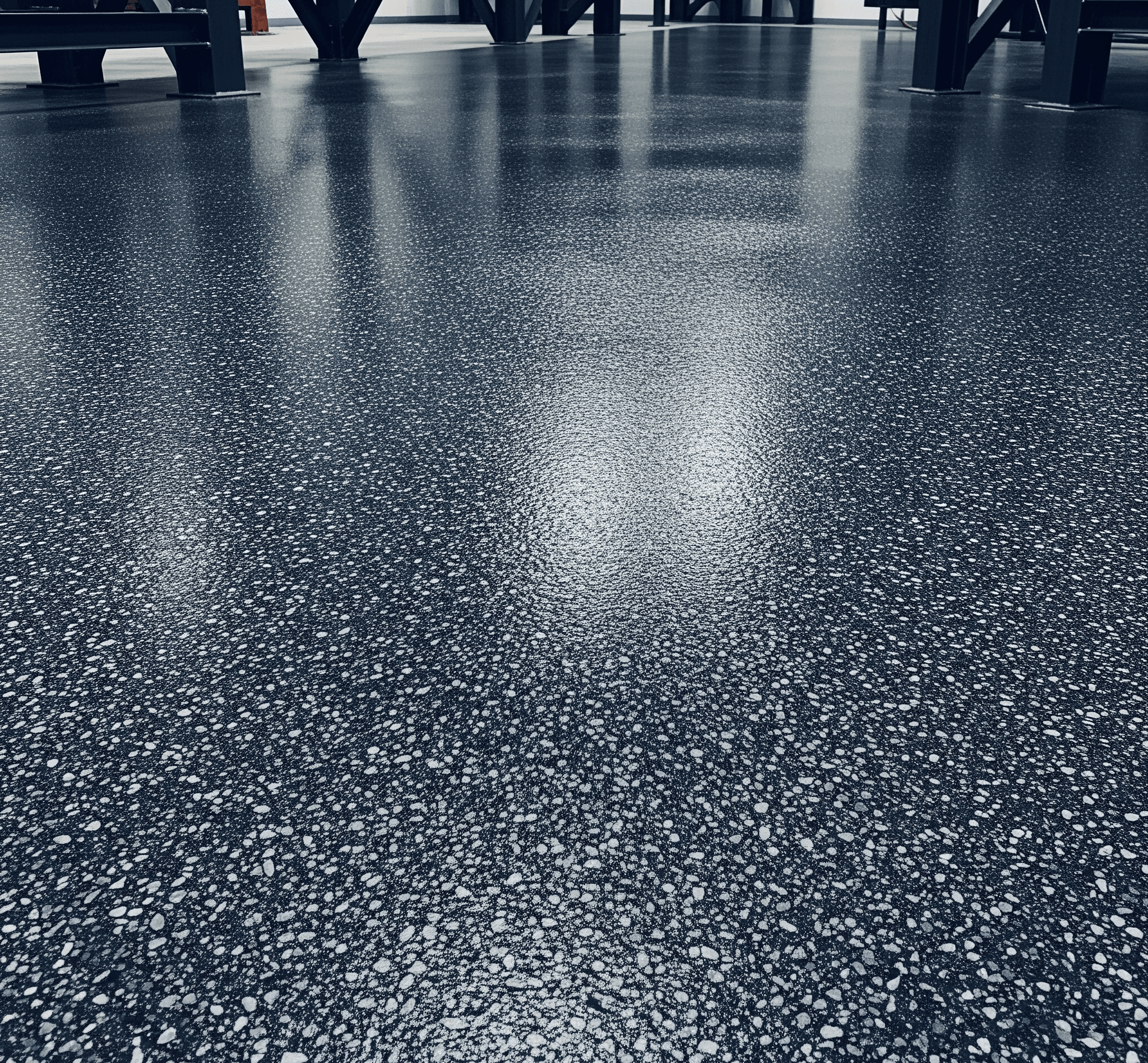
Epoxy coating is more than just a protective layer; it’s a transformation. Imagine taking your existing concrete floor—bland, dusty, vulnerable—and turning it into a polished, impervious surface that gleams with professionalism and modernity. That’s the magic of epoxy.

It works through a chemical reaction between resin and hardener, creating a thermosetting polymer that adheres like armor to concrete. Once applied, it’s there to stay. And it doesn’t just look good—it actively resists wear, moisture, chemical damage, and time itself.

Reinventing the Ordinary: Epoxy Concrete Floor Benefits

Plain concrete floors may seem strong at first glance, but they’re porous by nature. They absorb oil, grease, and water like a sponge. They crack under pressure, dust over time, and stain permanently. But when you apply an epoxy concrete floor solution, everything changes.

Suddenly, spills bead up instead of soaking in. Cracks and imperfections are filled and smoothed. And what was once just gray cement becomes a surface you actually want to showcase. From garages and warehouses to retail stores and showrooms, epoxy’s adaptability is unmatched.

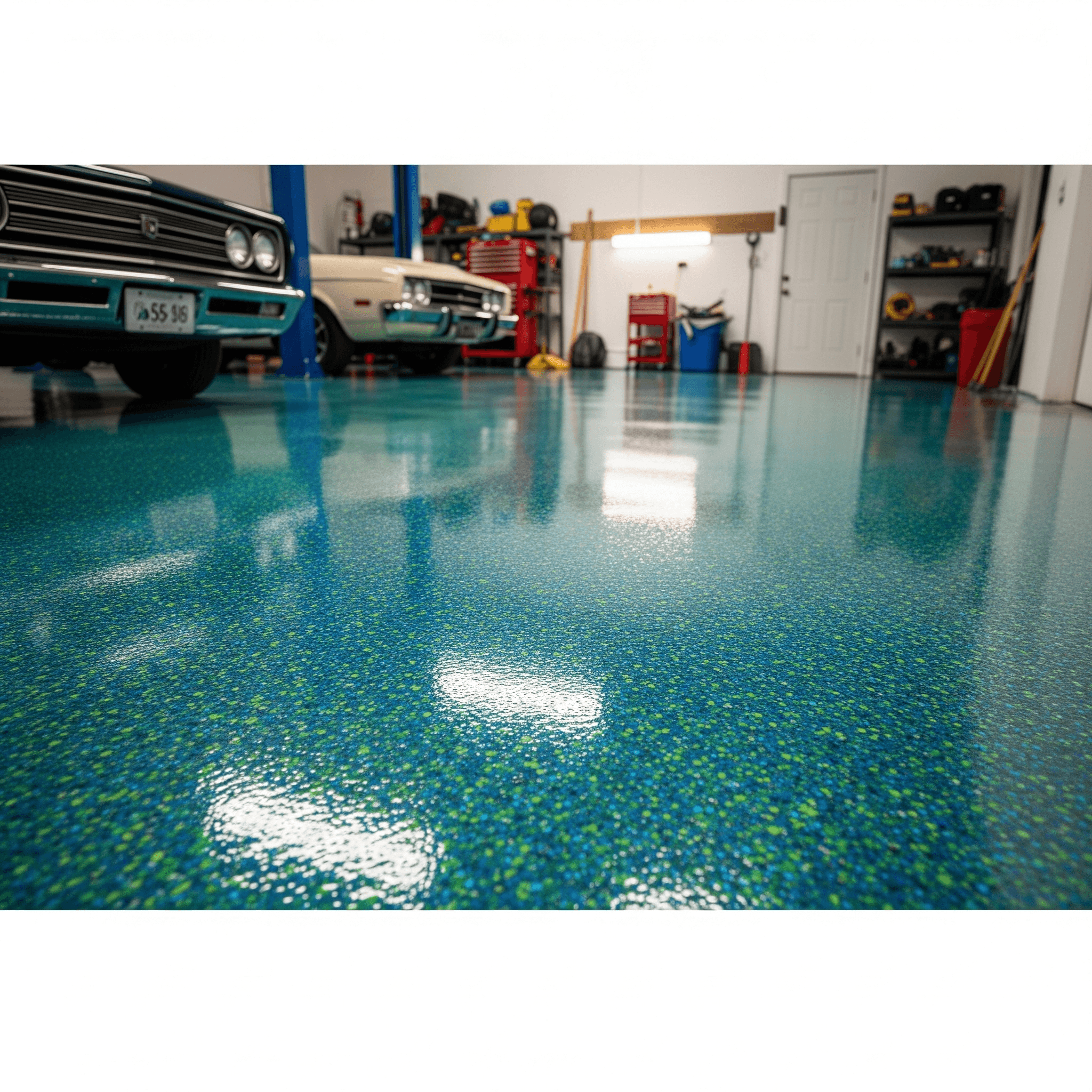
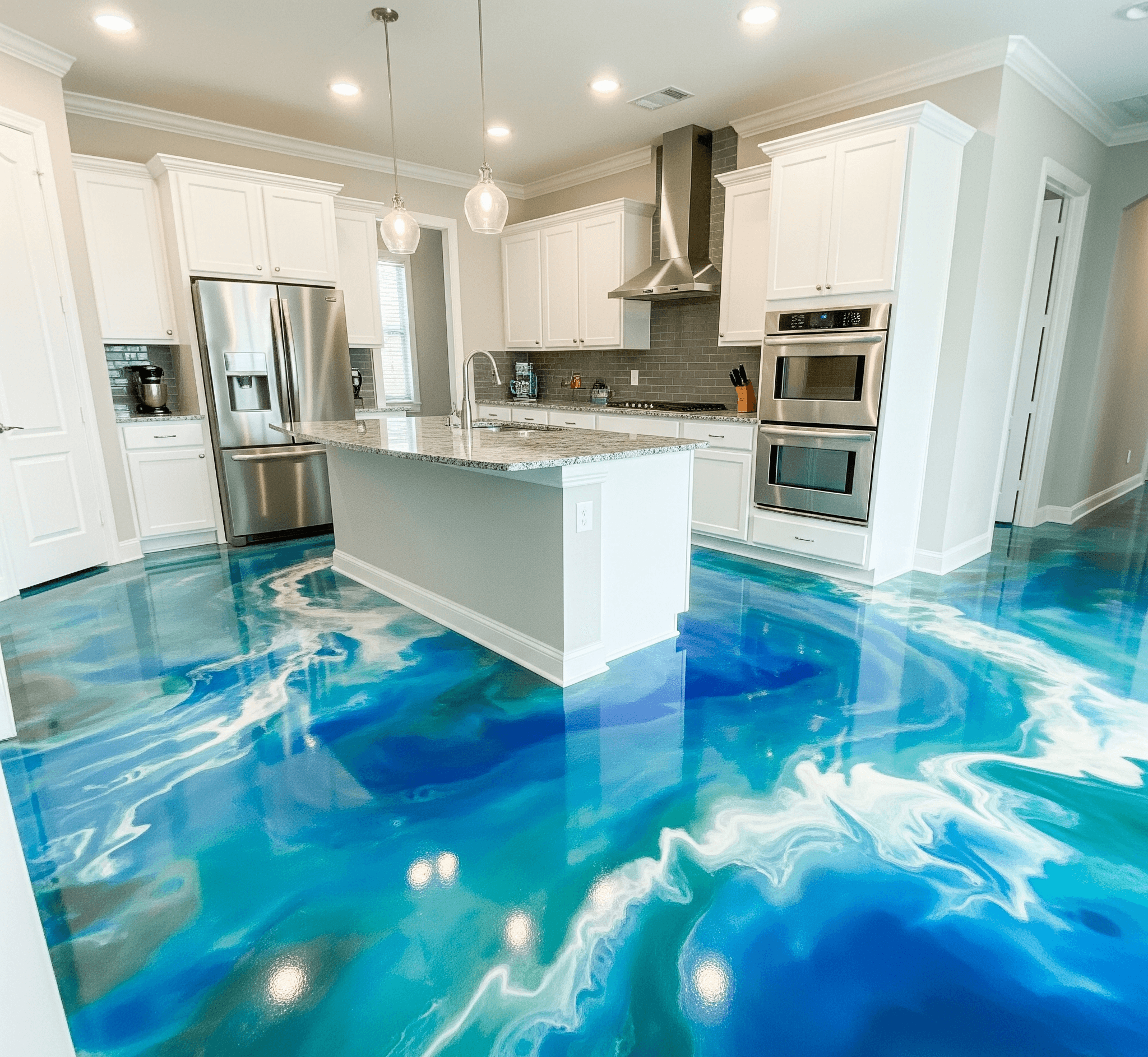
And let’s not forget the look. Whether you want a high-gloss finish, subtle color flakes, or a jaw-dropping metallic swirl, epoxy lets your floor express your personality—or your brand.

The Ultimate Garage Makeover: Epoxy Garage Floors

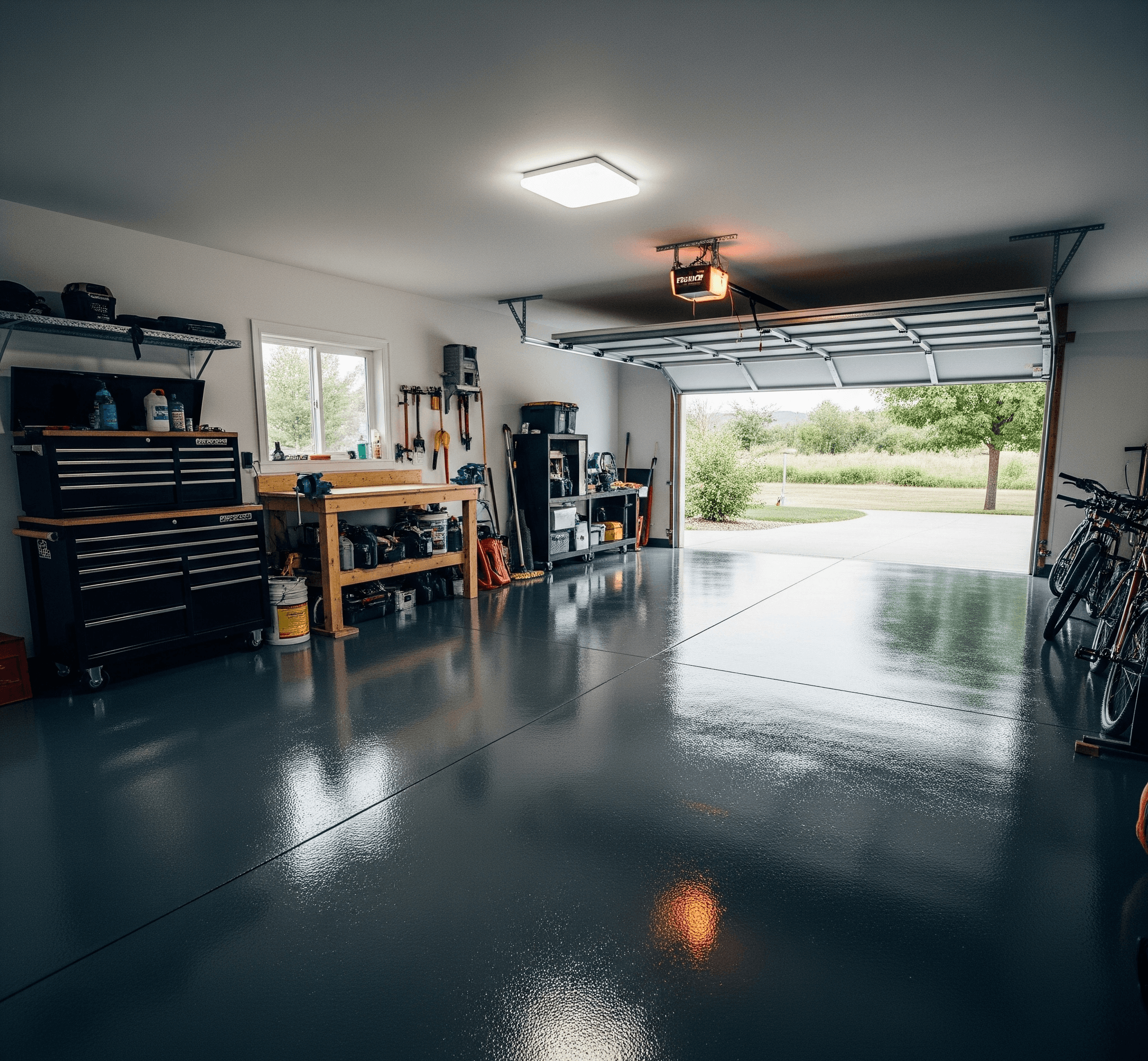
Garages are often relegated to the background—a place to store old paint cans, sports gear, or your car after a long day. But they have so much potential. With epoxy garage floors, you can take that dusty, cracked surface and turn it into something spectacular.

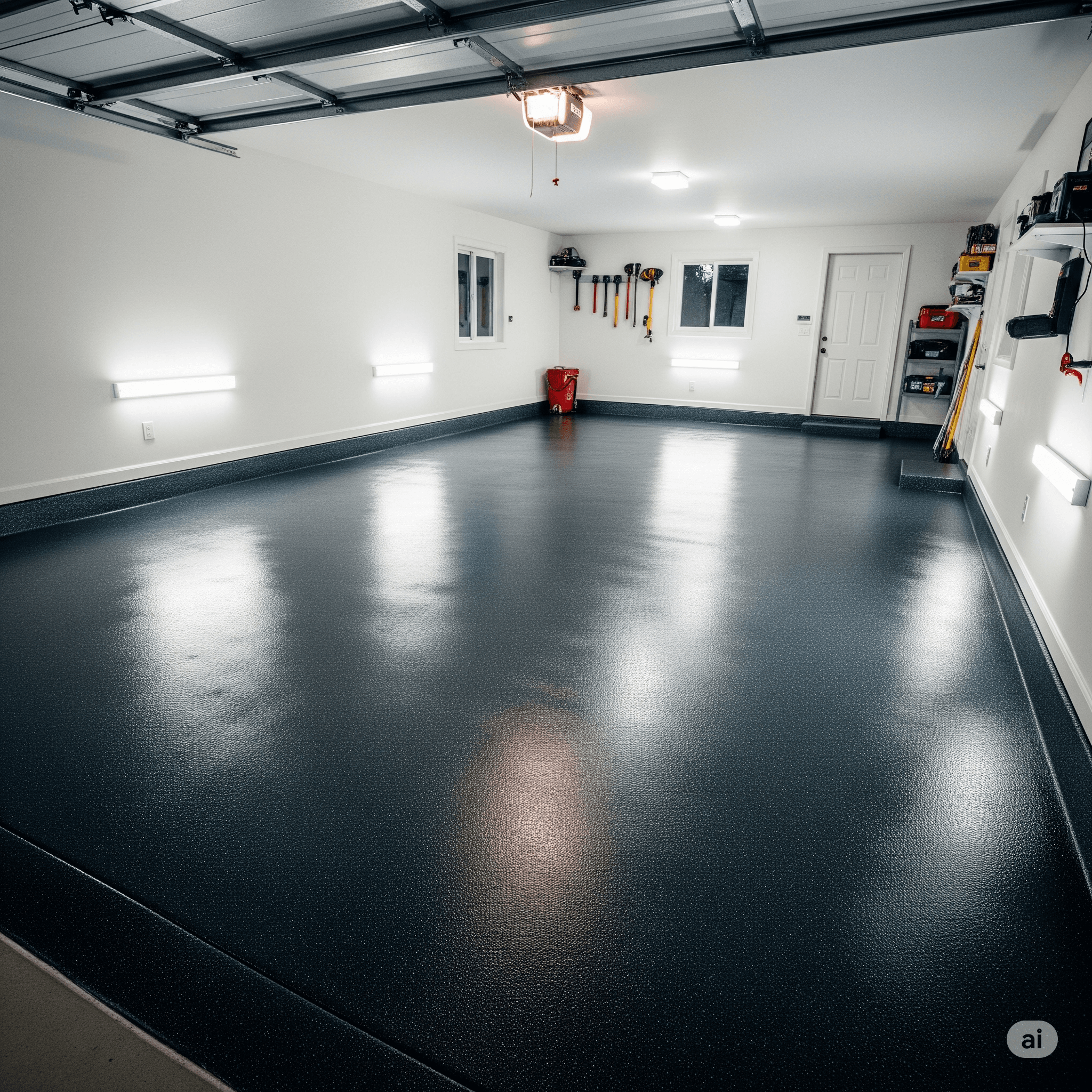
Imagine walking into your garage and being greeted by a smooth, gleaming floor that’s easy to clean, safe to walk on, and immune to most types of damage. No more worrying about oil leaks, road salt, or hot tire pickup. Epoxy handles it all with quiet confidence.

It’s also safer. Epoxy can be customized with anti-slip additives, reducing the chance of slips and falls. And for families who spend time working out, doing crafts, or tinkering in the garage, that peace of mind matters.

Resin Flooring: A Versatile Marvel for Any Space

While epoxy is the star of the show, it’s actually part of a broader family known as resin flooring. Resin floors come in various forms—epoxy, polyurethane, MMA (methyl methacrylate)—each with its own specialty. But all share a common trait: seamless, durable protection.

Resin flooring is beloved in environments where cleanliness and hygiene are paramount—hospitals, laboratories, commercial kitchens. No joints means no bacteria harborage points. It also makes cleaning fast and frustration-free.

In residential settings, resin flooring is finding new fans for its modern look and ability to handle wear with grace. Whether it’s a sunroom, a home office, or an upscale mudroom, resin floors add a sleek, designer appeal that’s tough to match.

What’s the Real Cost to Epoxy Garage Floor?

One of the most common questions people ask is: “What’s the cost to epoxy garage floor?” It’s a fair question, especially when balancing budgets and priorities. The truth is, it depends—but we can offer a realistic range.

For a standard two-car garage, the cost typically falls between $1,200 and $3,000. Variables include:

  • Size of the space

  • Condition of the existing concrete

  • Number of coating layers

  • Decorative features (like flakes or metallic pigments)

  • Whether it’s DIY or professionally installed

While DIY kits are available and may seem tempting at $200–$500, they come with hidden risks. Improper surface prep is the #1 reason coatings fail. Bubbles, peeling, and uneven finishes are all too common in amateur installations. That’s why most homeowners opt for professionals—to get the kind of result that lasts for decades, not just a season.

Concrete Floor Epoxy Installation: What to Expect

The process of installing concrete floor epoxy is meticulous, but necessary. It’s not something to rush. A successful installation is the result of careful prep, timing, and attention to environmental conditions.

Here’s what typically happens:

  1. Surface Preparation: The floor must be completely clean, dry, and porous. Contractors will grind or shot-blast the surface to ensure maximum adhesion.

  2. Repair and Leveling: Cracks, chips, or divots are filled. Uneven areas are leveled to ensure smooth application.

  3. Primer Layer: This first coat helps seal the concrete and provides a sticky base for the epoxy to cling to.

  4. Epoxy Application: Multiple layers of epoxy are rolled or squeegeed onto the floor. Color chips or metallic pigments may be added here.

  5. Topcoat: A UV-stable, scratch-resistant topcoat is applied to protect the epoxy and enhance its shine or matte finish.

  6. Curing Time: Depending on temperature and humidity, floors should be left undisturbed for 24–72 hours.

Patience here really pays off. Rushing can ruin the integrity of the coating, so plan ahead and allow your floor to properly cure.

Epoxy Garage Uses Beyond Storage

Let’s break the stereotype: garages don’t have to be cold, dusty dumping grounds. With epoxy garage flooring, they can become vibrant extensions of your home.

Think beyond cars. Home gyms. Craft studios. Man caves. Yoga retreats. Epoxy flooring makes these dreams attainable because it supports every type of lifestyle use. It resists weight from workout equipment, withstands spills from hobby supplies, and provides a visually clean background for whatever you’re passionate about.

Epoxy brings with it a certain pride of ownership. It’s hard not to smile when your garage looks like a luxury car showroom.

Why This Matters: Importance of the Article

This article exists because flooring is often overlooked—but it shouldn’t be. The right floor doesn’t just hold up your space. It defines it. It transforms it. It adds ease to your life and value to your property.

Epoxy coating offers a rare combination of performance and aesthetics. It’s tough yet beautiful. Functional yet artistic. Whether you’re upgrading a neglected garage or outfitting a bustling commercial facility, epoxy is a choice you’ll appreciate every single day.

So many people wait until their floors crack, crumble, or stain beyond recognition before taking action. This article is a reminder that proactive upgrades are always smarter—and often more affordable—than reactive repairs.

Conclusion

Epoxy flooring isn’t just a product—it’s a promise. A promise of cleaner spaces, longer-lasting surfaces, and hassle-free maintenance. It’s a flooring option that doesn’t just meet expectations—it exceeds them.

From epoxy garage floors to resin flooring in commercial spaces, the transformation is always striking. Strong, seamless, and stunning, epoxy is where practicality meets design. And once you experience it, there’s no going back to bare concrete.

Ready to Transform Your Floor? (CTA)

Don’t let your floors be an afterthought. If you’re dreaming of a garage that feels like an extension of your home—or a commercial space that leaves a lasting impression—Los Angeles Epoxy is here to make it happen.

Visit LosAngelesEpoxy.com to schedule your free consultation. Our friendly, expert team will walk you through options, costs, and customizations. Let’s turn your floor into something remarkable—one coat at a time.
Recent Posts

Pool Deck Resurfacing: Breathe New Life Into Your Outdoor Space

Pool Deck Resurfacing: Breathe New Life Into Your Outdoor Space

Pool Deck Resurfacing: Breathe New Life Into Your Outdoor Space

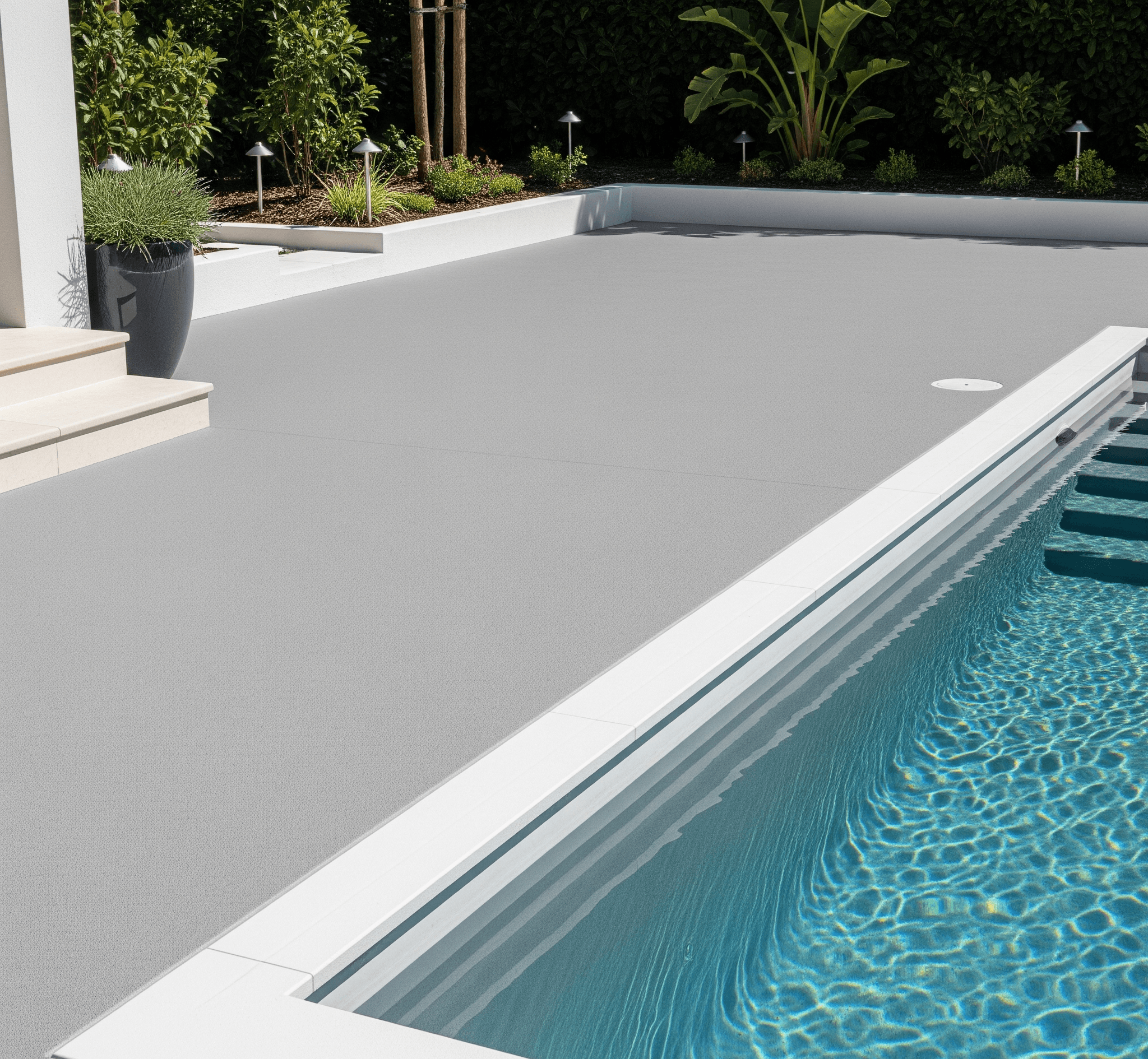
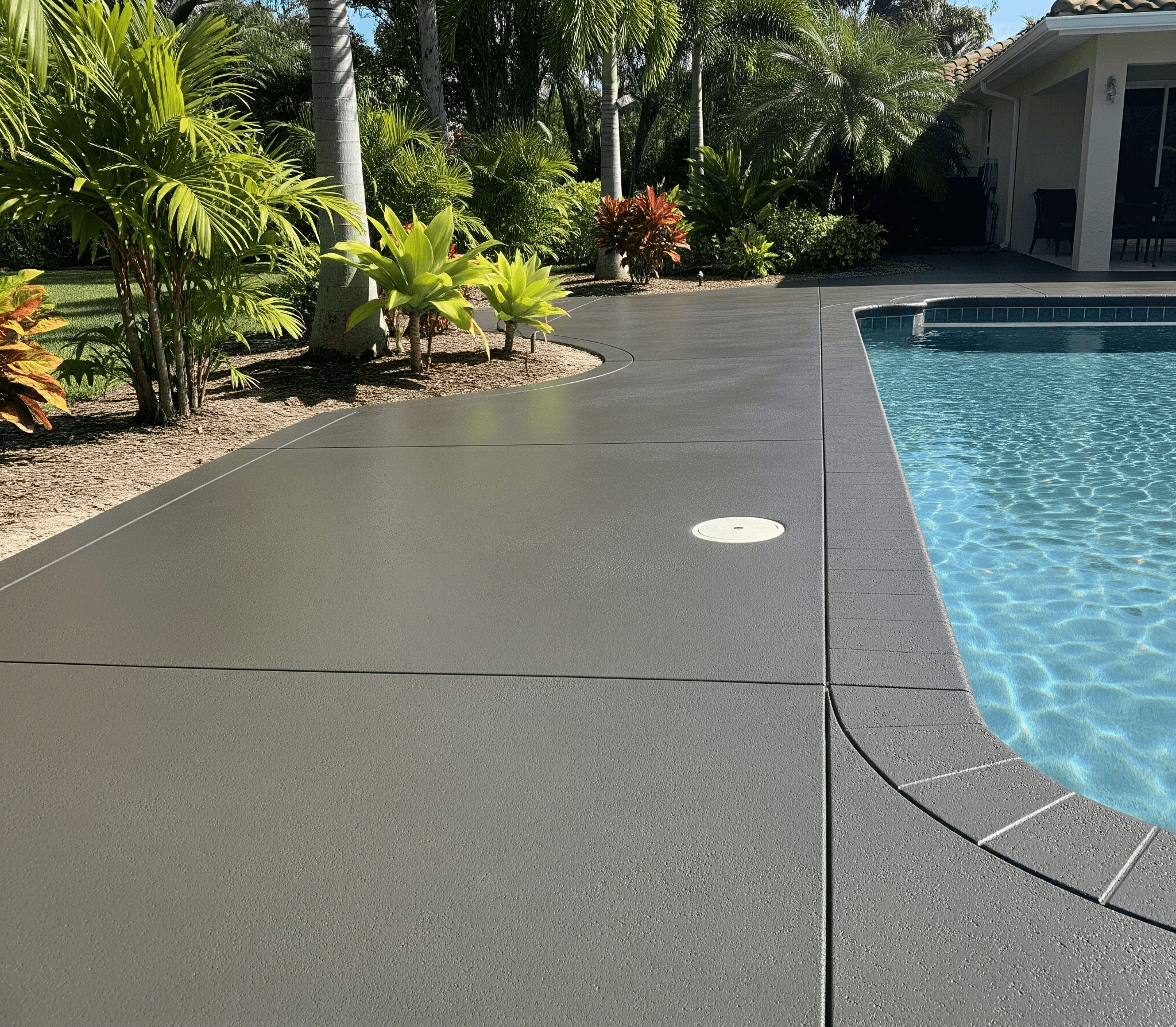
A cracked, faded, or slippery pool deck can turn a relaxing oasis into an eyesore—or worse, a safety hazard. Cracks can catch toes, slippery surfaces increase fall risk, and faded finishes reduce curb appeal and property value. Whether you’re battling sun damage, outdated finishes, or structural wear, pool deck resurfacing is the transformation your outdoor area needs. It not only improves the deck’s function and aesthetics but also elevates your entire backyard experience, making it safer, more welcoming, and easier to maintain.

At Los Angeles Epoxy, we specialize in resurfacing concrete pool decks and reviving the spaces around swimming pools with durable, stylish coatings built to withstand California’s sun and moisture. You don’t need to replace your deck entirely—just resurface it with modern materials and a design that matches your lifestyle.

Why Resurfacing a Pool Deck Is Worth It

Before: Cracks, discoloration, puddling, and surface flaking. Your pool deck may be unattractive, uncomfortable to walk on, or even unsafe.

After: A beautifully refinished surface that’s cooler underfoot, slip-resistant, waterproof, and custom-colored to complement your outdoor aesthetic.

Bridge: With professional resurfacing pool deck services, you extend the lifespan of your deck without the mess and expense of full demolition.

Resurfacing also improves your home’s value and makes your outdoor space more inviting for gatherings, pool parties, or quiet relaxation. It’s an investment that pays off in both enjoyment and resale appeal. Plus, with new coatings available in trendy and classic finishes, it’s easier than ever to achieve the design you’ve always envisioned.

Popular Pool Deck Resurfacing Options

Not all resurfacing materials are created equal. Each option offers a unique combination of benefits depending on your budget, climate, design preferences, and foot traffic. Some are ideal for hot climates due to their cooling properties, while others excel in decorative appeal or ease of maintenance. Here’s a quick breakdown of pool deck resurfacing options to help you compare their strengths and find the best fit for your outdoor space:

Material Type

Durability

Aesthetic Appeal

Maintenance

Cool to Touch

Avg. Cost per Sq Ft

Acrylic Overlay

High

Modern, Sleek

Low

Yes

$3 – $6

Spray Texture (Knockdown)

High

Textured

Very Low

Yes

$4 – $7

Stamped Concrete Overlay

Very High

Decorative/Stone

Moderate

Somewhat

$5 – $12

Rubber Coating

Medium

Soft Look

Low

Yes

$6 – $9

Epoxy & Polyaspartic Coating

Very High

Glossy or Matte

Very Low

Somewhat

$5 – $10

The right resurfacing option enhances durability, improves safety, and boosts curb appeal.

Pool Deck Resurfacing Ideas to Inspire Your Backyard Makeover

Looking for pool deck resurfacing ideas? These trends are reshaping backyards:

  • Stone Patterns: Use stamped overlays to mimic slate or flagstone.

  • Dual-Tone Finishes: Combine borders and textures for contrast.

  • Resurfacing Concrete Pool Decks with anti-slip granules for safety.

  • Epoxy Quartz Systems: Add color and texture with embedded particles.

  • Stenciled Designs: Custom graphics and logos for luxury finishes.

Whether you’re into modern minimalism or a tropical retreat vibe, we can tailor the look to fit.

Modern resurfacing also includes glow-in-the-dark aggregates for nighttime ambiance, environmentally friendly coatings for green homes, and mosaic tile inlays that elevate luxury pools. With limitless combinations of texture, color, and design, your resurfaced pool deck can become the highlight of your property.

Benefits of Swimming Pool Deck Resurfacing

Choosing to resurface your pool deck is a decision that enhances both the practicality and beauty of your outdoor space. Beyond aesthetics, resurfacing provides a layer of protection against environmental stressors like harsh sunlight, rain, chlorine, and foot traffic. This leads to a longer lifespan for your deck and fewer repairs down the line. Additionally, modern coatings can address common issues like surface temperature, mildew buildup, and cracking. Whether your priority is reducing maintenance or simply enjoying a more inviting poolside environment, resurfacing delivers on all fronts.

  • Safety: Improve traction and reduce slips.

  • Aesthetic Upgrade: Restore color and uniformity.

  • Comfort: Cool-touch finishes make barefoot walking a breeze.

  • Protection: Shield your concrete from water, salt, and UV rays.

  • Cost-Effective: Save money vs. full replacement.

Additionally, resurfacing helps reduce surface temperature by up to 20 degrees Fahrenheit compared to traditional concrete, creating a more enjoyable outdoor experience in the summer months. With minimal maintenance and superior longevity, it’s an upgrade that adds convenience and peace of mind.

FAQs About Resurfacing Your Pool Deck

Q1: How long does pool deck resurfacing last?
Depending on material and maintenance, resurfaced decks last 10–20 years. High-quality epoxy or acrylic overlays with proper sealing can exceed a decade of strong performance. Environmental conditions, foot traffic, and UV exposure can also influence longevity. Routine cleaning and resealing every few years will help maximize the deck’s durability.

Q2: Is resurfacing better than replacing a pool deck?
Yes—if the structure is sound. Resurfacing is more affordable, quicker, and less invasive than full replacement. It allows for custom design without demolition. You also gain access to modern textures, slip-resistant coatings, and enhanced cooling technologies. It’s a smart upgrade for both function and style.

Q3: Can I resurface a painted or previously coated pool deck?
Usually, yes. Our team will assess the current coating and prep the surface by grinding, cleaning, and patching to ensure proper adhesion. In some cases, we may need to remove older layers if they’re failing or incompatible. A strong bond is essential for a long-lasting resurfaced finish.

Q4: How long does resurfacing a pool deck take?
Most projects take 2–3 days, including prep, application, and cure time. Larger decks or decorative finishes may extend the timeline. Weather conditions and existing damage can also affect scheduling. We always provide a clear timeline before work begins.

Q5: Is resurfacing only for concrete decks?
While concrete is most common, some systems can be applied over stone, tile, or existing overlays, depending on their condition. A site inspection will determine eligibility and the best resurfacing approach. The goal is to create a smooth, durable surface regardless of the base material.

Additional Considerations When Planning Your Resurfacing Project

Before starting your project, consider timing and weather. The ideal window for resurfacing is during dry, moderate-temperature months to ensure optimal curing and minimal delays. You should also think about how your resurfaced deck will integrate with landscaping, lighting, and pool features like waterfalls or spas. A cohesive design plan enhances the end result and makes the space feel unified and luxurious.

Budget is another key factor. While resurfacing is more affordable than full replacement, premium materials or custom designs may come with higher costs. Discussing your priorities with your contractor—whether it’s durability, cooling, or style—will help you get the best value.

Final Thoughts: A Safer, Sleeker Pool Deck in Days

With pool deck resurfacing, you don’t need a new deck—you need a better one. From slip-resistant coatings to luxury finishes, Los Angeles Epoxy delivers results that are as practical as they are stunning.

Whether you want to create a safe environment for kids and guests or turn your backyard into a stylish retreat for entertaining, resurfacing is a smart investment. It breathes new life into aged or damaged decks, protects your surface against weathering, and reflects your personal aesthetic.

Our experienced installers help you choose the best materials, textures, and colors for your outdoor space, ensuring long-lasting performance and visual appeal. We’ll work with your schedule, keep the disruption minimal, and leave you with a polished surface you can enjoy for years.

Revamp Your Space with Epoxy – Get a Quote in Minutes!

Let’s make your pool deck the favorite part of your home again.

Recent Posts

Pool Deck Resurfacing Cost: What You Need to Know Before You Renovate

Pool Deck Resurfacing Cost: What You Need to Know Before You Renovate

Pool Deck Resurfacing Cost: What You Need to Know Before You Renovate

If your pool deck is cracked, faded, or uncomfortable underfoot, resurfacing can restore its safety and beauty without a full replacement. But how much should you budget for it? The pool deck resurfacing cost can vary widely based on materials, labor, and design choices.

At Los Angeles Epoxy, we believe in pricing transparency. This guide will help you understand the factors behind resurfacing costs so you can make a confident and informed decision.

What’s the Average Cost of Pool Deck Resurfacing?

The average cost of pool deck resurfacing ranges from $3 to $12 per square foot. Here’s a general breakdown:

  • Basic acrylic overlay: $3 – $6 per sq ft

  • Spray texture (knockdown finish): $4 – $7 per sq ft

  • Stamped concrete overlay: $6 – $12 per sq ft

  • Epoxy or polyaspartic coatings: $5 – $10 per sq ft

  • Rubber pool deck resurfacing cost: $6 – $9 per sq ft

While these numbers represent national averages, local labor rates, surface conditions, and design complexity can influence the final quote.

Understanding the Importance of Surface Prep Before Resurfacing

Before selecting materials or finishes, it’s essential to consider the condition of your current pool deck. Surface preparation plays a critical role in both the durability and the total resurfacing pool deck cost. If your deck has cracks, uneven sections, or oil stains, additional work may be needed to repair and clean the area before the new coating is applied. This step ensures that the resurfacing materials bond correctly and last longer. Neglecting proper prep can lead to delamination, moisture issues, or bubbling later on—resulting in costlier repairs.

Contractors may use pressure washing, chemical treatments, grinding, or patching to restore the base surface. These services typically add $1 to $3 per square foot to the total cost, depending on the severity of the issues. However, investing in professional prep sets the foundation for a long-lasting finish.

Concrete vs. Rubber: What Affects Resurfacing Pool Deck Cost?

The cost of pool deck resurfacing is impacted by both the material you choose and the condition of your current deck. Different materials come with different performance profiles, including how they handle sun exposure, slip resistance, and longevity. For example, rubber coatings offer exceptional comfort and cooling but cost slightly more than acrylic textures. Epoxy coatings may come at a higher upfront price, but they deliver excellent durability and high-end appearance. The condition of your existing surface will also influence the cost—damaged or cracked decks may require grinding, patching, or leveling before the new surface can be applied. Here’s how different options compare:

Material Type

Avg. Cost per Sq Ft

Lifespan

Surface Temp

Visual Appeal

Concrete Overlay

$5 – $9

10–15 years

Moderate

High

Rubber Coating

$6 – $9

7–10 years

Cool

Medium

Acrylic Coating

$3 – $6

5–10 years

Cool

Good

Epoxy/Polyaspartic

$5 – $10

10–20 years

High

Glossy

Choosing the right finish means balancing aesthetics, durability, and budget.

Factors That Influence Resurfacing Pool Deck Cost

  1. Surface Condition: Cracks, stains, and damage may require additional prep.

  2. Size of the Deck: Larger areas benefit from economies of scale.

  3. Design Complexity: Colors, stencils, or textures increase the price.

  4. Material Choice: Higher-end finishes like stamped concrete cost more.

  5. Labor & Contractor Rates: Local pricing can vary significantly.

Working with experienced pool deck resurfacing contractors ensures the job is done correctly the first time, saving you money in the long run.

FAQs About Pool Deck Resurfacing Prices

Q1: What’s the most affordable resurfacing option?
Acrylic coatings or spray textures tend to be the most cost-effective. They offer slip resistance and cooling properties at a lower price point, typically ranging from $3 to $6 per square foot. These coatings are also quick to apply, minimizing labor costs and project timelines. For homeowners on a budget, they provide excellent value without sacrificing appearance. Regular sealing can extend their life span, further maximizing your investment.

Q2: Is it worth paying more for stamped concrete?
Yes, if you’re looking for a premium look and long-term value. Stamped overlays mimic stone or tile while offering durability and high-end appeal. They usually cost $6 to $12 per square foot. In addition to their decorative versatility, they provide a slip-resistant finish that enhances both beauty and safety. Stamped finishes also improve property value and curb appeal, making them ideal for luxury renovations or high-end properties.

Q3: Do contractors charge extra for design work?
Often, yes. Custom patterns, logos, or multi-color finishes will add to the labor and materials cost. Always request a detailed quote from your contractor. Decorative elements often require additional tools, templates, and manual detailing that increase overall project time. It’s also wise to ask if the design upgrades come with extended warranties or specialty maintenance instructions.

Q4: Can I resurface my pool deck myself to save money?
DIY is possible but risky. Improper prep or product choice can lead to peeling or premature failure. Professionals ensure correct application and long-lasting results. While DIY kits may appear budget-friendly, they often lack the performance of contractor-grade materials. Plus, mistakes in surface prep or curing can cost more to fix than hiring a professional from the start.

Q5: How do I know if my pool deck is a candidate for resurfacing?
If your deck is structurally sound but has surface wear, it’s likely a good candidate. Severe cracks or movement may require full replacement. A contractor can perform a moisture test and surface inspection to confirm eligibility. In borderline cases, partial demolition and patching may make resurfacing feasible instead of full reconstruction.

Final Thoughts: Budgeting for Your Pool Deck Makeover

The resurfacing pool deck cost doesn’t need to be a mystery. By understanding the options—from concrete pool deck resurfacing cost to rubber pool deck resurfacing cost—you can choose the best solution for your space and budget.

Budgeting also means looking beyond price per square foot. Consider how long each material will last, the maintenance it requires, and how it contributes to safety and comfort in the long run. Cooler surfaces may enhance summer usability, while slip resistance ensures protection for your family and guests.

Additionally, planning your project during the offseason or bundling it with other renovations may help reduce labor rates. Some contractors also offer discounts for larger areas or referrals, so be sure to ask about potential promotions.

At Los Angeles Epoxy, we offer tailored pricing and expert installation with no hidden fees. Whether you want a quick refresh or a designer finish, we’ll help you bring your vision to life. Our team walks you through each step, ensuring your project stays on time, on budget, and on trend.

Your Dream Deck Is Within Reach – Get a Free Estimate Today!

Recent Posts

Metallic Epoxy Floor: High-Impact Design Meets Industrial Strength

Metallic Epoxy Floor: High-Impact Design Meets Industrial Strength

Metallic Epoxy Floor: High-Impact Design Meets Industrial Strength

A metallic epoxy floor doesn’t just cover your concrete—it transforms it. Combining eye-catching visual depth with high-performance protection, metallic epoxy is the perfect upgrade for anyone looking to bring bold aesthetics and durability into their garage, showroom, or commercial space. Its swirling pigments create a hypnotic, fluid motion that adds dimension to the floor and gives each room a distinct personality. The glossy surface not only enhances lighting but also highlights the architectural elements around it. As a bonus, it’s easier to maintain than tile or stone and resists the wear and tear of everyday life.

At Los Angeles Epoxy, we specialize in installing premium metallic epoxy flooring systems that are fully customizable and engineered to last. If you’re ready to move beyond plain gray floors, this is where artistry and industrial science intersect.

Why Choose a Metallic Epoxy Floor?

Metallic epoxy floors turn functional spaces into focal points. The swirling pigments create a 3D, marbled effect that’s impossible to duplicate and stunning from every angle. Each floor is a custom piece—no two designs are the same.

  • Durability: Lasts 10–20 years with proper maintenance.

  • Luxury Appeal: Mimics marble, lava, or flowing metal.

  • Easy Maintenance: Seamless surface resists stains, dust, and water.

  • Strength: Withstands heavy foot traffic, machinery, and impact.

  • Customization: Unlimited design options, colors, and effects.

Whether you need a statement garage, a modern retail environment, or a sleek office floor, metallic epoxy resin floors offer a blend of beauty and strength unlike anything else.

A notable advantage is their ability to hide imperfections in the concrete while adding depth and reflectivity. This is particularly useful in older spaces where cracks or stains exist. Metallic epoxy’s self-leveling quality helps smooth out uneven surfaces, resulting in a clean, modern aesthetic. Unlike traditional flooring that may peel or warp, epoxy bonds directly with the substrate, ensuring a long-lasting, cohesive finish.

Additionally, metallic epoxy floors are chemical resistant and can handle cleaning agents, oils, and even acidic substances without degrading. This makes them a preferred choice for auto shops, medical labs, and industrial kitchens where harsh materials are often in use. Their resistance to heat and cold also ensures year-round performance in any climate, making them ideal for both indoor and semi-exposed spaces.

Metallic Epoxy vs Other Epoxy Options

Choosing the right type of epoxy flooring depends on your priorities—whether that’s visual appeal, durability, or cost. While solid color epoxy and garage paint offer their own advantages, metallic epoxy stands out for its ability to combine artistry and performance. Below is a side-by-side comparison to help you understand how each option stacks up.

Feature

Metallic Epoxy Floor

Solid Color Epoxy

Garage Floor Paint

Appearance

High-gloss, 3D visuals

Uniform matte/gloss

Basic color

Durability

10–20 years

10–15 years

1–3 years

Customization

Unlimited pigments & flow

Limited

Very limited

Chemical Resistance

High

High

Low to Medium

Cost (per sq ft)

$8–$15

$3–$10

$1–$3

Metallic epoxy floors mesmerize the eye—and outlast the alternatives.

Where Can You Use Metallic Epoxy Flooring?

Thanks to their visual impact and resilience, metallic epoxy floors are ideal for:

  • Residential Garages: Upgrade your garage into a showroom.

  • Retail Stores: Make your brand pop with a unique floor.

  • Restaurants & Bars: Add ambiance with reflective depth.

  • Offices & Lobbies: Impress clients with modern aesthetics.

  • Showrooms & Studios: Durable, photogenic, and unforgettable.

These spaces benefit not just from the look but also from the longevity and reduced maintenance costs. For high-traffic commercial settings, these floors offer peace of mind and a polished image.

Installation Insights: What to Expect

Installing a metallic epoxy resin floor requires experience, precision, and artistry. Here’s how we do it at Los Angeles Epoxy:

  1. Surface Prep: Grinding and repairing your concrete base.

  2. Primer Application: Moisture control and adhesion enhancement.

  3. Epoxy Base Coat: Solid background color.

  4. Metallic Layer: Swirled pigments using specialized tools.

  5. Clear Topcoat: Glossy, protective finish for durability.

Installations typically take 2–4 days, and the result is a seamless, chemical-resistant floor that’s as functional as it is beautiful.

We also consult on site conditions, lighting, and design goals to ensure the final product fits your vision. From matte effects to ultra-glossy finishes, there’s a metallic epoxy formula for every style.

Benefits That Go Beyond Looks

Choosing a metallic floor epoxy system means investing in performance:

  • Low Maintenance: Easy to clean—just sweep and mop.

  • Slip Resistant: Additives available for extra traction.

  • Reflective Finish: Increases room brightness and depth.

  • UV Resistant Options: Prevents yellowing from sun exposure.

  • Eco-Friendly Options: Low-VOC coatings are available.

It also adds resale value to your property by offering a modern, turn-key look that’s ready for use. With metallic epoxy, you don’t just get a floor—you get a feature.

FAQs About Metallic Epoxy Floors

Q1: How is a metallic epoxy floor different from regular epoxy?
While standard epoxy provides solid color and durability, metallic epoxy adds depth and visual movement with pigments suspended in the resin. The result is a high-gloss, artistic floor that’s both unique and functional. These floors are ideal for those looking to make a visual statement while maintaining practicality. Every installation results in a distinct, marbled pattern that’s one-of-a-kind.

Q2: Can metallic epoxy be installed in garages?
Yes, epoxy metallic floors are a popular choice for garages. They withstand car fluids, tire marks, and foot traffic while offering a high-end showroom look. The seamless surface also makes it easy to clean up dirt and oil spills. Plus, the enhanced visual appeal can increase your home’s overall value and curb appeal.

Q3: How long does a metallic epoxy floor last?
With professional installation and care, metallic epoxy flooring can last 10 to 20 years. Reapplication of the topcoat every 5–7 years helps maintain its gloss and protection. Routine cleaning and prompt spill removal help extend its lifespan. Choosing UV-resistant topcoats can further preserve color vibrancy over time.

Q4: What colors are available?
The color options are nearly unlimited. From charcoal and copper to sapphire blue or pearl white, metallic epoxy systems can be customized with multiple hues for a one-of-a-kind effect. Installers can blend pigments to simulate natural stone, ocean waves, or fire-like effects. You can even embed logos or symbols into the design for a personalized touch.

Q5: Is it slippery?
It can be, but we offer anti-slip additives to improve traction, especially in garages, retail spaces, or areas exposed to moisture. These additives come in various textures like quartz or aluminum oxide. Choosing a satin or matte topcoat can also reduce surface slickness without sacrificing style.

Final Thoughts: Make a Statement with Metallic Epoxy

A floor shouldn’t be an afterthought—it should be the foundation of your design. With a metallic epoxy floor, you get more than protection. You get a visual experience that reflects sophistication, precision, and individuality. These floors make a bold statement that sets the tone for the entire space, whether it’s a garage, a studio, or a client-facing office. The unique 3D patterns and dynamic color combinations make every step across your floor feel purposeful and inspiring.

Epoxy Floors That Impress – Secure Your Free Consultation!

Let Los Angeles Epoxy help you craft a surface that stuns and performs. Contact us today to schedule your free quote and bring your vision to life.

Recent Posts

Industrial Epoxy Flooring: Built for Strength, Engineered for Longevity

Industrial Epoxy Flooring: Built for Strength, Engineered for Longevity

Industrial Epoxy Flooring: Built for Strength, Engineered for Longevity

Industrial environments call for flooring solutions that can endure the intense pressure of daily operations. The surface must support everything from foot traffic and machinery to chemical exposure and shifting temperatures. In these demanding spaces, a standard floor won’t cut it—your facility needs a floor that performs consistently under pressure. Whether you manage a warehouse, factory, or manufacturing plant, industrial epoxy flooring offers unmatched resilience, safety, and efficiency. These facilities often face constant pressure from equipment movement, chemical exposure, and foot traffic, all of which can lead to premature wear and unsafe conditions. Epoxy flooring delivers an integrated solution—reinforcing the structure, simplifying maintenance, and creating a safer, more productive environment for workers and machinery alike.

At Los Angeles Epoxy, we deliver high-performance solutions tailored to meet the demands of your operations. From food-grade environments to heavy-load manufacturing, our coatings are designed to withstand impact, abrasion, chemical spills, and extreme temperature changes—without compromise.

Why Industrial Epoxy Flooring is the Smart Choice

Most concrete floors in industrial spaces wear down fast. Forklifts, foot traffic, dropped tools, and chemical exposure—all contribute to surface damage, dust, and safety hazards. That’s where epoxy industrial flooring comes in.

  • High Load Resistance: Supports heavy equipment and machinery.

  • Chemical Protection: Resists acids, solvents, oils, and cleaners.

  • Slip Resistance: Optional textured coatings for worker safety.

  • Low Maintenance: No waxing, stripping, or resealing needed.

  • Cost Efficiency: Lasts up to 20 years with minimal upkeep.

This isn’t just about aesthetics—it’s about protecting productivity, reducing downtime, and maintaining regulatory compliance.

In addition to these core benefits, epoxy flooring also provides an aesthetic upgrade to your industrial space. With customizable colors and finishes, you can align the flooring with your company branding or safety zone guidelines. The seamless finish reduces tripping hazards and makes cleaning effortless, ensuring a safer, more organized workspace. Moreover, by protecting the underlying concrete from cracking or absorbing harmful chemicals, epoxy helps preserve your facility’s structural integrity.

Industrial Epoxy vs. Other Flooring Options

Choosing the right floor for industrial operations means balancing cost, performance, and safety—without sacrificing compliance or functionality. Industrial facilities face demanding conditions that typical flooring options often can’t handle. From chemical spills and forklift traffic to abrasive cleaning and fluctuating temperatures, every square inch of your workspace needs to be reinforced. That’s why understanding how different flooring types compare is essential. Here’s how industrial epoxy flooring stands up against common alternatives:

Feature

Industrial Epoxy Flooring

Concrete Only

Vinyl or Tile

Load Resistance

Very High

Medium

Low

Chemical Resistance

Excellent

Low

Moderate

Durability (Years)

10–20+

3–7

3–5

Seamless Surface

Yes

No

No

Cleaning & Maintenance

Very Low

High

Moderate

Installation Downtime

2–4 days

N/A

3–6 days

Industrial epoxy doesn’t just protect floors—it protects operations.

What Makes Our System Different?

We work with top-tier industrial epoxy resin flooring formulations that exceed industry standards. Our process includes:

  • Surface Grinding & Prep: Ensures strong adhesion.

  • Moisture & Vapor Testing: Prevents bubbling and failure.

  • Primer Application: Bonds resin to concrete.

  • Epoxy Resin Installation: Can include anti-slip aggregates.

  • Topcoat Layer: UV protection, gloss, or matte finish.

As trusted industrial epoxy flooring contractors, we coordinate installs around your schedule to minimize disruption. Whether it’s a new facility or a retrofit, we deliver dependable, long-term solutions.

Our system stands out because we don’t take shortcuts. Every stage—from initial site evaluation to post-installation inspection—is executed with precision. We use only commercial-grade epoxy materials that are tested for industrial-grade performance. Plus, we educate our clients about upkeep, ensuring they maximize the lifespan of their flooring. Our experienced crew is trained to handle complex projects, ensuring your flooring investment delivers returns for decades.

Best Applications for Industrial Flooring Epoxy Coating

From light-duty manufacturing to chemical-intensive labs, industrial flooring epoxy coating adapts to virtually any application:

  • Warehouses & Distribution Centers
  • Food & Beverage Facilities
  • Pharmaceutical Plants
  • Automotive Assembly Lines
  • Electronics Manufacturing
  • Cold Storage Rooms

With epoxy flooring industrial systems, each installation is tailored to your workflow and safety requirements.

In each of these settings, epoxy flooring enhances not only durability but also compliance with industry standards. For example, pharmaceutical environments benefit from dust-resistant, easy-to-clean surfaces, while food production areas rely on epoxy’s ability to withstand sanitizing chemicals. Cold storage rooms appreciate their thermal shock resistance, which prevents cracking under fluctuating temperatures. Our team will always recommend the right formulation for your facility’s unique operational demands.

Benefits of Industrial Epoxy Resin Flooring

  • Impact Resistance: Protects concrete against dropped tools and rolling equipment.

  • Hygienic: Seamless surfaces prevent bacterial growth and are easy to sanitize.

  • Customizable: Choose from colors, textures, and performance additives.

  • Eco-Conscious: Low-VOC options available.

  • Compliance: Meets OSHA and USDA flooring guidelines.

Epoxy flooring also reduces operational hazards by enhancing visibility and safety. By using color-coded floor zones or reflective coatings, workers can navigate more effectively and avoid dangerous areas. Plus, epoxy’s resistance to water and stains eliminates mold or mildew buildup, which is crucial for facilities focused on health or food safety. Its non-porous surface ensures that no liquids seep through and compromise the integrity of the floor or the products handled in the facility.

FAQs About Industrial Epoxy Flooring

Q1: How long does industrial epoxy flooring last?
With proper installation and regular cleaning, it lasts 10–20 years. To maintain its durability, epoxy floors should be swept or vacuumed daily to remove debris and dirt that can cause scratches. Weekly mopping with a pH-neutral cleaner is also recommended to preserve the gloss and prevent residue buildup. Avoid harsh chemical cleaners, and instead opt for soft-bristle brushes or microfiber mops for best results. Recoating top layers every 5–7 years can help extend lifespan even further. Environmental conditions, traffic load, and chemical exposure will also influence longevity. Choosing professional installation ensures maximum durability and performance.

Q2: How does epoxy compare to polished concrete?
Epoxy provides better chemical resistance and customization. Polished concrete is great for dust control, but doesn’t offer the same level of protection. Epoxy can be textured for slip resistance and layered with performance coatings. It also creates a seamless barrier that prevents moisture penetration and supports hygiene compliance.

Q3: Is epoxy flooring safe for food-grade facilities?
Yes. We offer USDA-compliant, antimicrobial epoxy coatings for food processing and packaging environments. These systems are designed to resist microbial growth and withstand aggressive cleaning procedures. Seamless epoxy eliminates grout lines or gaps where contaminants can accumulate.

Q4: Can you install epoxy in cold or humid areas?
Absolutely. We use moisture-tolerant primers and temperature-controlled curing methods to ensure strong bonding even in challenging environments. Our formulations are selected to withstand variable site conditions without compromising performance. Cold storage, refrigerated zones, and high-humidity facilities benefit greatly from epoxy’s flexibility.

Q5: How long does installation take?
Most projects are completed in 2–4 days, depending on surface condition, square footage, and curing time. We also factor in project coordination to minimize operational disruption. Our team communicates clearly to ensure seamless scheduling, safe workspace practices, and timely completion.

Final Thoughts: Reinforce Your Facility from the Ground Up

Durability isn’t optional in industrial environments—it’s essential for ensuring operational continuity and worker safety. In manufacturing plants, floors must resist constant impact from heavy tools and forklifts. In pharmaceutical and food processing facilities, the surface must endure harsh cleaning chemicals without degrading. And in automotive or chemical plants, chemical spills and thermal stress demand a flooring system that won’t crack or delaminate. Without durable flooring, facilities risk costly repairs, safety violations, and production delays. With industrial epoxy flooring from Los Angeles Epoxy, you’re choosing performance, safety, and long-term value. Whether you operate a food plant, warehouse, or chemical lab, we’ll install a floor that works as hard as you do.

Industrial epoxy flooring not only reduces the risk of workplace injuries but also improves operational efficiency by minimizing floor maintenance downtime. It enhances the professional appearance of your facility, helping you project cleanliness and reliability to clients, partners, and inspectors alike. When safety, compliance, and presentation all align, your business stands out for the right reasons.

Our team provides tailored recommendations based on your industry requirements, space conditions, and future needs. We don’t just install floors—we help future-proof your operation.

Protect & Enhance Your Floors – Contact Us for a Quote!

Recent Posts

Garage Floor Coatings: Durable, Stylish Protection for Every Garage

Garage Floor Coatings: Durable, Stylish Protection for Every Garage

Garage Floor Coatings: Durable, Stylish Protection for Every Garage

A neglected garage floor is more than an eyesore—it’s a wasted opportunity. With the right garage floor coatings, you can transform your garage into a clean, safe, and professional-looking space that lasts for decades.

Whether you’re battling stains, cracks, or a dull surface, upgrading to a concrete epoxy coating offers both functional and aesthetic improvements. This guide will explore your options, costs, and benefits so you can choose the right floor epoxy solution for your needs.

Why Choose Garage Floor Coatings?

Garage floor coatings do more than just look great. They provide essential protection against wear and tear, chemicals, vehicle traffic, and temperature fluctuations. Here’s why homeowners across the U.S. are turning to residential epoxy flooring:

  • Longevity: A professionally installed garage epoxy floor can last 10 to 20 years with minimal maintenance.

  • Resistance: Protects against oil, grease, water, and chemical spills.

  • Safety: Slip-resistant additives can be included to prevent accidents.

  • Curb Appeal: High-gloss finishes and color options enhance your garage’s overall look.

Comparing Garage Floor Coatings vs. Alternatives

Not sure if epoxy is the best route? You’re not alone. With so many garage flooring options available—ranging from paint to tiles—it’s natural to wonder what truly offers the best value. That’s where a direct comparison becomes critical. Here’s a head-to-head breakdown to help you weigh your options with clarity and confidence:

Feature

Garage Floor Coatings (Epoxy)

Bare Concrete

Interlocking Tiles

Paint/Sealants

Durability

10–20 years

3–5 years

5–10 years

1–3 years

Chemical Resistance

High

Low

Medium

Low

Visual Appeal

High-gloss/customizable

Low

Moderate

Moderate

Maintenance

Low

High

Medium

High

Cost (per sq ft)

$3–$12

$0–$3

$4–$8

$1–$3

Installation Time

1–3 days

None

1–2 days

1–2 days

Epoxy coatings strike the perfect balance between cost, durability, and aesthetics.

Types of Garage Floor Coatings Offered by Los Angeles Epoxy

1. Concrete Epoxy

This is the industry gold standard. By applying concrete epoxy, we create a hard, shiny, stain-resistant surface that outlasts paint or tile. It bonds tightly to the slab to eliminate cracking and peeling.

2. Garage Epoxy Floor for Residential Spaces

Homeowners love epoxy because it turns ordinary garage floors into clean, durable, showroom-quality surfaces. The result is a garage that adds value to your home.

3. Decorative Floor Epoxy Options

We offer flakes, metallics, and textured finishes to match your style. Whether you want a sleek grey or a colorful finish, our coatings combine beauty with brawn.

4. Slip-Resistant & High-Impact Coatings

Additives such as quartz sand or polymer grit can enhance safety without compromising the look.

Installation Insights & Market Trends

  • The average epoxy garage floor cost ranges from $3 to $12 per square foot, depending on design and area size.

  • In the U.S., epoxy coatings make up over 40% of the concrete floor coatings market.

  • With proper prep, coatings can be applied over old concrete, saving you from expensive floor replacements.

  • Most garage floors are done within 2 to 3 days, minimizing downtime.

  • Slip-resistant additives can be customized based on your safety requirements.

Benefits of Residential Epoxy Flooring

Choosing residential epoxy flooring brings a range of lasting benefits:

  • Enhanced Appearance: A clean, glossy floor brightens the garage and complements your home.

  • Low Maintenance: Dust, dirt, and spills clean up with just a mop.

  • Moisture Barrier: Prevents water from seeping through the concrete.

  • Strength & Durability: Handles vehicle weight and impact with ease.

  • Customization: From neutral tones to vibrant flakes—design it your way.

  • Eco-Friendly: Reduces waste and material use.

  • Allergen-Resistant: Seamless surfaces prevent the buildup of allergens and dust mites.

Common Mistakes to Avoid When Choosing Garage Floor Coatings

Even with a high-performing material like epoxy, a poor installation or overlooked detail can lead to premature failure. One common mistake is skipping proper surface preparation—cleaning, repairing cracks, and profiling the concrete are all essential. Another error is choosing the wrong coating for your climate or usage needs. For example, a smooth high-gloss finish might not be ideal for a wet or high-traffic environment unless anti-slip additives are included. Lastly, opting for DIY kits without understanding moisture levels or curing times can result in bubbling, peeling, or weak adhesion.

Pro Tips for Maximizing the Life of Your Epoxy Floor

Want to ensure your garage floor coatings last for years? Start with a professional installation to guarantee correct application and curing. Then, make it a habit to clean spills immediately—especially oil and chemicals—to maintain appearance and safety. Avoid dragging sharp tools or heavy objects that can gouge the surface. Adding floor mats where cars park or near workbenches also helps reduce wear. Finally, consider a recoat every few years to refresh the top layer and keep the finish looking its best.

FAQs About Garage Floor Coatings

Q1: How much does it cost to epoxy a garage floor?
The epoxy garage floor cost typically ranges from $3 to $12 per square foot, depending on the size, finish, and surface prep required. Metallic finishes and decorative flake systems cost more but offer premium visual appeal. Most homeowners spend between $1,200 and $2,800 for a standard two-car garage. For more intricate designs or multi-layer systems, pricing can increase. Hiring professionals ensures lasting results and eliminates costly errors.

Q2: How long do garage floor coatings last?
With proper installation and care, epoxy garage floor coatings can last 10 to 20 years. The key to longevity lies in professional surface prep and high-quality materials like those used by Los Angeles Epoxy. Factors like climate, foot traffic, and frequency of cleaning can also influence lifespan. Routine inspections and occasional touch-ups will help maintain optimal performance over time.

Q3: Can garage floor coatings be applied over damaged concrete?
Yes, but the concrete should be patched and leveled first. We handle everything from crack repairs to applying primers, ensuring your floor epoxy adheres correctly and lasts. Moisture testing is also critical to avoid adhesion issues. Skipping this prep step often results in peeling or bubbling of the coating. A moisture barrier may also be recommended for long-term protection.

Q4: Is it worth it to coat your garage floor?
Absolutely. A coated garage floor improves durability, looks more professional, and resists damage from chemicals, oil, and daily use. It also adds resale value to your home. Epoxy coatings offer long-term savings by minimizing maintenance costs. Beyond functionality, they transform the overall atmosphere of your garage into a cleaner and more enjoyable space.

Q5: What’s the difference between paint and epoxy garage floor coatings?
Paint sits on the surface and chips over time, while epoxy chemically bonds to concrete, forming a hard, protective layer. Epoxy is far more durable and offers a better return on investment. Paint may provide short-term visual improvement, but it lacks the resilience of epoxy. Epoxy’s thickness, resistance to chemicals, and shine make it a more professional-grade solution for residential garages.

Final Thoughts: Give Your Garage Floor the Upgrade It Deserves

Garage floor coatings offer a rare blend of protection, beauty, and performance. These coatings are more than just a cosmetic upgrade—they reinforce your garage’s surface, extend its lifespan, and add measurable value to your property. Whether you’re dealing with dust, oil stains, moisture, or simply want a cleaner, more polished space, Los Angeles Epoxy delivers tailored solutions that meet your needs, reflect your style, and exceed industry standards. From basic protective layers to high-end decorative finishes, we’re committed to helping homeowners create garage floors that are functional, flawless, and built to last.

Upgrade Your Space – Book Your Epoxy Flooring Service Today!

Reach out to our team to schedule a free consultation and get a quote tailored to your project. Let us help you transform your garage into a space that works harder—and looks better—than ever before.

Recent Posts

Garage Epoxy: Durable, Stylish, and Built to Last

Garage Epoxy: Durable, Stylish, and Built to Last

Garage Epoxy: Durable, Stylish, and Built to Last

Tired of dull, dusty garage floors that chip, stain, or crack? A professional garage epoxy solution transforms your space into a clean, resilient, and visually impressive environment. Whether you’re parking cars, using it as a workshop, or simply want a better look, epoxy delivers.

At Los Angeles Epoxy, we specialize in advanced garage epoxy systems tailored to both functionality and design. From metallic epoxy floors to high-performance coatings, we offer finishes that stand up to wear—and look great doing it.

What Is Garage Epoxy and Why Choose It?

Garage epoxy is a resinous coating made by combining an epoxy resin floor with a hardening agent. The result is a high-gloss, chemical-resistant surface that bonds tightly to concrete. Compared to standard sealants or paint, epoxy creates a far more durable and long-lasting surface.

  • Feature: Seamless application over concrete surfaces

  • Advantage: Fills cracks, eliminates dust, and resists moisture

  • Benefit: Your garage stays cleaner, stronger, and safer for years

Garage epoxy can handle heavy traffic, car fluids, temperature changes, and everyday abuse. And with options for garage floor epoxy colors, metallic finishes, or flakes, you can design a floor that suits your space perfectly.

Comparing Garage Epoxy vs Other Floor Finishes

Let’s take a closer look at how epoxy compares to traditional garage floor finishes such as paint and sealants. While paint and sealers may offer a quick fix, they often lack the durability and bond strength that garage epoxy provides. Epoxy forms a thick, chemical-resistant surface that bonds deeply to concrete, whereas alternatives typically sit on top and are more prone to wear, peeling, and discoloration. This breakdown will help you understand the practical and financial differences between these options so you can make a more informed decision for your garage floor.

Feature

Garage Epoxy

Epoxy Floor Paint

Sealants

Durability

10–20 years

1–3 years

2–4 years

Chemical Resistance

High

Low to Medium

Medium

Finish Options

Customizable/Glossy

Basic/Matte

Clear/Matte

Cost (per sq ft)

$3–$12

$1–$3

$2–$5

Maintenance

Very low

Moderate

Moderate

Bond Strength

Strong chemical bond

Surface-level only

Surface-level only

Garage epoxy isn’t just a coating—it’s a long-term flooring upgrade.

Popular Epoxy Finish Options

1. Metallic Epoxy Floor

A metallic finish adds depth, shimmer, and a luxury feel. Ideal for residential garages looking to combine style with durability.

2. Garage Floor Epoxy Colors

We offer an array of garage floor epoxy colors to suit every taste—ranging from industrial greys to vibrant reds and custom blends with color flakes.

3. Textured Epoxy with Additives

For garages exposed to water, oils, or tools, textured finishes with slip-resistant additives improve safety without compromising aesthetics.

Understanding Epoxy Flooring Cost

Epoxy prices vary depending on the type of finish, the size of your garage, and surface prep requirements.

  • Basic epoxy coatings: $3–$5 per sq ft

  • Mid-range decorative systems: $6–$8 per sq ft

  • Premium metallic or multi-layer epoxy: $9–$12 per sq ft

The epoxy flooring cost may seem higher upfront, but the long-term savings in maintenance and durability are substantial. Unlike epoxy floor paint, which chips and fades, garage epoxy keeps its strength and shine for years.

Installation Facts You Should Know

Installing garage epoxy flooring is a straightforward yet meticulous process that delivers impressive results when done professionally. At Los Angeles Epoxy, we begin with detailed surface preparation—grinding, patching, and moisture testing—to ensure maximum adhesion. Once the base is ready, we apply a primer coat followed by one or more layers of high-grade epoxy resin, customized for color, texture, and durability. Topcoats are added for extra gloss and protection.

Epoxy flooring is incredibly versatile and adaptable to various garage conditions. It can be installed over existing concrete or even radiant heat systems, offering flexibility for new builds or renovations. Most standard residential garage epoxy projects are completed in just 1 to 3 days, minimizing disruption to your routine. When properly applied, the cured epoxy surface becomes resistant to water, oil, heat up to 200°F, and heavy loads—making it an ideal long-term investment for any home.

Benefits of Choosing Garage Epoxy from Los Angeles Epoxy

  • High Durability: Holds up under cars, bikes, tools, and storage systems.

  • Low Maintenance: Sweeping and occasional mopping are all you need.

  • Custom Design: From subtle finishes to show-stopping metallics.

  • Moisture Protection: Prevents mold, mildew, and water damage.

  • Allergen Reduction: Seamless surface prevents dust buildup.

  • Eco-Friendly Options: Low-VOC and sustainable materials are available.

Tips for Choosing the Right Epoxy System

  • Assess Your Use: Light traffic needs differ from heavy-duty workshop use.

  • Consider Appearance: Choose between smooth gloss, metallic, flake, or texture.

  • Plan for Safety: Add non-slip materials if your garage has water exposure.

  • Hire Professionals: Proper prep is key—grinding, patching, and priming make all the difference in epoxy adhesion.

FAQs About Garage Epoxy

Q1: How long does garage epoxy last?
Garage epoxy typically lasts between 10 to 20 years, depending on wear, climate, and maintenance. Proper prep and professional installation significantly increase lifespan. The better the initial application and environmental conditions, the longer the results will last. Occasional cleaning and resealing every few years can help maximize durability.

Q2: Is epoxy better than paint for a garage floor?
Yes. Unlike epoxy floor paint, true garage epoxy bonds to concrete chemically. It won’t peel, flake, or fade after a few seasons. Paint is more susceptible to chipping and discoloration, especially in high-traffic areas. Epoxy also provides a stronger moisture and chemical barrier, making it the superior choice for longevity and resilience.

Q3: Can I customize my epoxy floor color?
Absolutely. With a range of garage floor epoxy colors and metallic or flake finishes, epoxy is one of the most versatile options for personalizing your garage. You can even incorporate logos, patterns, or multi-color zones to enhance both functionality and design. Custom finishes can make your garage an extension of your home’s design.

Q4: Is garage epoxy slippery?
Glossy epoxy can be slippery when wet, but anti-slip additives can be included to provide grip and safety. These can be mixed directly into the topcoat or broadcast on the surface during installation. Textured finishes are especially useful in areas prone to water, oil spills, or high foot traffic, adding both safety and utility.

Q5: What’s the installation timeline?
Most garage epoxy installations take 2–3 days, including prep, layering, and curing. However, heavy use is typically recommended only after a full cure of 5–7 days. Variables such as humidity, temperature, and the number of coats applied can affect this timeline. A professional team ensures each phase is completed efficiently and correctly.

Final Thoughts: Garage Epoxy That Works as Hard as You Do

Epoxy isn’t just about aesthetics—it’s engineered for performance. Whether you’re storing cars, working on projects, or simply want a space you can be proud of, garage epoxy gives you strength, longevity, and style. Unlike other coatings that fade with time, epoxy only shines brighter.

Epoxy Flooring Made Easy – Contact Us to Book Now!

Let Los Angeles Epoxy help you design and install a surface that’s easy to clean, beautiful to look at, and tough enough for everything life throws at it. Get a free estimate today and take the first step toward the garage you deserve.

Recent Posts

Epoxy Garage Floor: Strength, Style, and Lasting Performance

Epoxy Garage Floor: Strength, Style, and Lasting Performance

Epoxy Garage Floor: Strength, Style, and Lasting Performance

Is your garage floor cracked, stained, or simply outdated? Don’t let it diminish the value and appearance of your entire space. A high-quality epoxy garage floor can transform your garage from a dusty, dull area into a bright, seamless, and functional surface built to last.

At Los Angeles Epoxy, we offer professional-grade epoxy coatings tailored to every type of garage. Whether it’s a sleek finish for a residential space or a high-durability system for heavy use, our solutions are designed to impress and endure.

Why Choose an Epoxy Garage Floor?

A concrete garage floor alone can’t withstand years of oil spills, tire wear, tools, or foot traffic. Eventually, it chips, stains, and dusts. That’s where epoxy coating garage floor systems makes a difference.

  • Durability: Epoxy floors last 10 to 20 years with proper care.

  • Appearance: Smooth, high-gloss finishes brighten the space and boost curb appeal.

  • Protection: Resists moisture, impact, stains, and chemicals.

  • Customization: Choose from flake, metallic, solid color, and non-slip options.

Epoxy garage floors are also an eco-friendly solution. They reduce the amount of debris, dust, and particulate emissions caused by worn concrete, which not only contributes to better air quality but also aligns with sustainable home improvement practices. Additionally, epoxy’s resistance to temperature fluctuations makes it ideal for garages that experience seasonal changes—your floor won’t crack or degrade during hot summers or cold winters.

Epoxy Garage Floor vs. Other Garage Flooring Options

Let’s break down how garage floor epoxy compares to other solutions in real-world performance, value, and longevity. While many homeowners start with simple concrete or a basic coat of paint, these options often disappoint after just a few years. Cracks, stains, and fading are common issues with lower-grade coatings or untreated floors. Epoxy, by contrast, provides a durable, sealed surface that not only looks great but also withstands the harshest garage conditions. The following comparison highlights key differences to help you make an informed investment.

Feature

Epoxy Garage Floor

Concrete Only

Garage Floor Paint

Lifespan

10–20 years

3–5 years

1–3 years

Chemical Resistance

High

Low

Low to Medium

Maintenance

Very Low

High

Moderate

Installation Time

1–3 days

None

1–2 days

Finish Options

Gloss, Flake, Metallic

None

Limited Colors

Epoxy doesn’t just coat a floor—it seals, protects, and enhances it.

Expert Epoxy Garage Floor Installers

Choosing the right epoxy garage floor installers is as important as selecting the coating itself. Poor preparation leads to peeling, bubbling, or cracking within months. At Los Angeles Epoxy, we:

  • Grind and repair the surface to ensure strong adhesion.
  • Apply moisture barriers and primers where needed.
  • Use industrial-grade epoxy for superior performance.
  • Offer same-week availability and free consultations.

The result is a flawless epoxy garage floor that resists wear, retains its look, and adds real value to your home.

Working with professionals also means better project management and cleanup. We coordinate each phase efficiently, reduce downtime, and ensure your garage is ready for use as soon as possible. You’ll also benefit from warranties and expert maintenance guidance, giving you peace of mind for years to come.

Epoxy Garage Floor Coating Options

We offer a variety of epoxy garage floor coating types depending on your needs:

  • Solid Color Coatings: Clean and modern with simple maintenance.

  • Decorative Flake Systems: Popular for traction and aesthetics.

  • Metallic Epoxy Coatings: Luxury look with depth and shine.

  • Quartz Epoxy Systems: Ideal for maximum slip resistance.

We can even combine systems for layered performance—for example, using flake or quartz for traction underneath a high-gloss topcoat. This dual approach gives you the best of both form and function.

Benefits of Epoxy Floor for Garage Use

Whether you’re using your garage as a workspace, gym, or traditional vehicle storage, an epoxy floor for garage applications provides:

  • Surface Protection: No more cracked, crumbling concrete.

  • Easy Cleanup: Sweeps clean and resists stains.

  • Slip Resistance: Optional additives for safety.

  • Enhanced Light Reflection: Brightens dim garages by up to 300%.

  • Increased Home Value: A professionally finished floor appeals to buyers.

Epoxy also minimizes dust, allergens, and bacterial buildup due to its seamless surface, an important feature for families who use their garages as multifunctional spaces. Whether you’re exercising, working on DIY projects, or setting up storage, epoxy makes the space healthier and more comfortable.

Installation Insights and Market Facts

  • The average cost of a professionally installed epoxy garage floor is $3–$12 per sq ft.

  • Epoxy floors resist heat up to 200°F, making them ideal for garages with radiant heating systems or exposure to high temperatures.

  • The epoxy flooring market is growing at a CAGR of over 5.5%.

  • Most installs are completed within 1–3 days.

  • Epoxy can be installed over new or old concrete with proper prep.

FAQs: What to Know Before Installing Your Epoxy Garage Floor

Q1: How long does an epoxy garage floor last?
With expert installation and basic upkeep, epoxy garage floors last between 10 and 20 years. Their lifespan is influenced by usage level, environmental exposure, and whether proper cleaning and occasional resealing are maintained. A high-quality installation helps reduce cracks, discoloration, and surface breakdown. Regular cleaning with a neutral cleaner and protective mats can further extend performance.

Q2: Is epoxy worth it for a garage?
Absolutely. Epoxy adds durability, improves looks, and prevents common garage floor problems like staining, cracking, and dusting. It also offers long-term savings by reducing maintenance needs. Its resistance to chemicals and abrasions makes it ideal for everyday use. Plus, its aesthetic appeal can make your garage feel like a true extension of your living space.

Q3: Can epoxy be applied over damaged concrete?
Yes, but the surface needs to be repaired and prepared properly. Our team grinds, fills, and primes the area to ensure optimal adhesion and a flawless finish. Addressing cracks and uneven areas ensures the epoxy bonds fully. This preparation helps prevent bubbling or peeling down the line, ensuring a smooth and long-lasting application.

Q4: What’s the difference between epoxy and garage floor paint?
Paint sits on the surface and can chip easily. Epoxy chemically bonds to concrete, forming a thick, resilient barrier that won’t peel or fade with wear. While paint is cheaper upfront, it typically fails sooner and needs reapplication. Epoxy is a long-term solution that provides protection, shine, and minimal upkeep.

Q5: Can I customize the look of my garage epoxy floor?
Yes! From bold colors to subtle flake blends and even logos, our team helps you design a floor that fits your function and style preferences. Options like metallics or anti-slip finishes let you tailor both form and function. No two epoxy garage floors have to look alike—customization is a key strength of this material.

Final Thoughts: Epoxy That Elevates Your Garage

When it comes to your home, the garage deserves just as much attention as your kitchen or living room. It’s more than just a place to park your car—it’s a workshop, a gym, a storage area, or even a second entrance. With a professionally installed epoxy garage floor, you get more than aesthetics—you get resilience, cleanliness, and pride in a space that’s often overlooked but deeply essential. Investing in a durable and visually appealing floor transforms your garage into a fully functional part of your home.

Stronger, Safer, and More Stylish – Get Epoxy Flooring Today!

Trust Los Angeles Epoxy to deliver a flawless surface that stands the test of time. Reach out today for your free consultation and let us bring your dream garage floor to life—one that’s functional, stylish, and built to last.

Recent Posts

Epoxy Floor: The Ultimate Surface Solution for Homes and Businesses

Epoxy Floor: The Ultimate Surface Solution for Homes and Businesses

Epoxy Floor: The Ultimate Surface Solution for Homes and Businesses

When it comes to flooring that’s tough, sleek, and long-lasting, nothing compares to an epoxy floor. Whether you’re upgrading your garage, renovating a commercial space, or simply tired of constant maintenance, epoxy offers a seamless solution that combines durability with design.

In this guide, we’ll walk you through everything you need to know—from benefits and installation facts to cost comparisons and FAQs—so you can make an informed choice for your space.

Why Choose Epoxy Floors?

Epoxy flooring is more than just a trend—it’s a proven performer. By combining epoxide resin and polyamine hardener, epoxy forms a tough, plastic-like surface that adheres tightly to concrete. The result? A surface that withstands chemicals, impact, wear, and time.

  • Durability: With proper maintenance, epoxy floors can last between 10 to 20 years.

  • Affordability: The average cost to install epoxy flooring ranges from $2 to $12 per square foot, making it a budget-friendly option.

  • Low Maintenance: Epoxy requires minimal upkeep—just simple sweeping and mopping.

  • Custom Finishes: Available in a wide range of colors, textures, and gloss levels to suit your style.

Comparing Epoxy to Other Flooring Options

Before diving into the benefits, let’s compare epoxy floors with other popular surfaces. Understanding how epoxy stacks up against tile, vinyl, and untreated concrete helps you make a smarter investment for your space. Epoxy’s superior longevity, customization potential, and safety features offer compelling reasons to choose it over traditional options. Whether you’re renovating a garage, workshop, or commercial facility, this comparison will highlight why epoxy flooring leads the pack in performance and value.

Feature

Epoxy Floor

Tile

Bare Concrete

Vinyl Flooring

Durability

10–20 years

10–15 years

3–7 years

5–10 years

Maintenance

Very low

Moderate

High

Low

Slip Resistance

High (with additive)

Moderate

Low

Moderate

Customization Options

Extensive

Limited

None

Some

Installation Time

1–3 days

3–5 days

None

2–3 days

Cost (per sq ft)

$2–$12

$5–$15

$0–$3

$3–$7

Epoxy wins across key performance categories—durability, safety, and aesthetics.

Types of Epoxy Floor Applications

At Los Angeles Epoxy, we provide a wide range of services tailored to your needs:

1. Epoxy Garage Floor

A garage floor epoxy resists tire marks, oil spills, and heavy traffic. Its seamless finish means no cracks, no stains, and no worries.

2. Epoxy Floor Coating for Basements and Interiors

Transform your basement into a moisture-resistant, bright space. The reflective finish can increase light by up to 300%, making even dim areas feel vibrant.

3. Commercial and Industrial Epoxy Flooring

Designed for high-traffic zones, these floors resist chemicals, abrasions, and impacts. Ideal for warehouses, medical facilities, and showrooms.

4. Garage Floor Coating

If you’re tired of dull, dusty concrete, a garage floor coating enhances the appearance and protects the substrate underneath.

Key Installation Facts to Know

  • The global epoxy floor coating market is projected to hit $3.72 billion by 2031, growing at a CAGR of 5.5%.

  • In the U.S. alone, the concrete floor coatings market reached $323 million in 2022.

  • Epoxy floors can be installed over new or existing concrete, making them ideal for renovations.

  • Additives like polymer grit or aluminum oxide make surfaces slip-resistant, even when wet.

  • Epoxy coatings are safe over radiant heat systems and can withstand temperatures up to 200°F.

Top Benefits of Epoxy Flooring

Epoxy floor coating delivers unmatched performance:

  • Chemical & Stain Resistance: Perfect for garages, workshops, and labs.

  • Enhanced Brightness: Glossy finishes improve lighting and visibility.

  • Custom Design: Choose colors, flakes, and finishes for a unique look.

  • Eco-Friendly: Epoxy reduces material waste and resists degradation.

  • Hygienic: Its seamless surface prevents bacteria and mold growth, critical in hospitals and kitchens.

  • Protective Layer: Shields the underlying concrete, increasing its lifespan.

  • Anti-Slip Options: Reduces risks in high-traffic or wet environments.

Cost of Installing an Epoxy Floor

While pricing varies, most homeowners spend around $2,500. Here’s a quick breakdown:

  • DIY Kits: $100–$300 (not recommended for longevity or appearance)

  • Professional Installation: $3–$12 per square foot

  • High-End Custom Finishes: $8–$15 per square foot

Want an accurate quote? Contact Los Angeles Epoxy for a free, no-obligation estimate.

FAQs: Everything You Want to Know About Epoxy Floors

Q1: How long does an epoxy floor last?
Epoxy floors typically last between 10 to 20 years, depending on usage and maintenance. High-traffic commercial areas may require touch-ups sooner, while residential garages can remain pristine for over a decade with proper care. With regular cleaning and avoiding heavy impact damage, you can prolong its lifespan even further. The use of protective mats or pads also helps minimize surface wear.

Q2: Can epoxy be installed over cracks or damaged concrete?
Yes, but surface preparation is key. Cracks and damage should be repaired and leveled before applying the epoxy to ensure adhesion and longevity. Proper grinding and patching of the concrete create a strong base for coating. Professionals use moisture barriers and primers to prevent future issues and ensure durability.

Q3: Is epoxy slippery when wet?
While epoxy is smooth, anti-slip additives can be mixed in during installation to enhance grip, making it safe for both commercial and residential settings. This is especially important in garages, basements, and workplaces where water or oil may be present. Textured finishes and non-slip topcoats add even more traction.

Q4: Can I install epoxy flooring myself?
Although DIY epoxy kits exist, they often don’t include professional-grade materials or proper prep. Hiring experts like Los Angeles Epoxy ensures durability, visual appeal, and long-term performance. DIY jobs frequently suffer from poor adhesion, bubbles, and uneven finishes. Pros handle everything from crack repair to high-grade resin application.

Q5: How do I clean and maintain my epoxy floor?
Maintenance is simple: regular sweeping and mopping with water or a pH-neutral cleaner keeps the surface looking new. Avoid acidic or abrasive cleaning agents. For deeper cleaning, a soft scrubber or microfiber mop does the trick. Reapplying a topcoat every few years can also refresh the floor’s appearance and protection.

Final Thoughts: Is Epoxy Flooring Right for You?

If you’re searching for a flooring option that blends form and function, epoxy floors are the answer. They’re stylish. They’re strong. They’re simple to maintain. From garage floor epoxy to commercial-grade solutions, epoxy outperforms traditional materials across the board.

Transform Your Floors – Call Now for a Free Quote!

At Los Angeles Epoxy, we bring years of experience, premium materials, and personalized service to every project. Let’s turn your space into something sleek, durable, and easy to love.

Recent Posts

Commercial Epoxy Flooring: Built to Perform, Designed to Impress

Commercial Epoxy Flooring: Built to Perform, Designed to Impress

Commercial Epoxy Flooring: Built to Perform, Designed to Impress

Commercial spaces need floors that can take a beating—day after day, year after year. That’s where commercial epoxy flooring shines. It’s strong enough for forklifts, sleek enough for showrooms, and smart enough to save you time and money on maintenance.

At Los Angeles Epoxy, we install high-performance epoxy commercial flooring systems tailored for retail, industrial, and institutional environments. Whether you’re resurfacing a warehouse or upgrading a commercial kitchen, our solutions deliver durability with polish.

Why Choose Commercial Grade Epoxy Flooring?

  • Exceptional Strength: Handles heavy equipment, rolling carts, and foot traffic with ease.

  • Slip Resistance: Safe surfaces for employees and customers.

  • Hygienic & Seamless: Easy to clean, with no grout lines for bacteria to hide.

  • Custom Finishes: Matte, gloss, color flake, metallic—design it your way.

  • Fast Turnaround: Quick curing times minimize business disruption.

Commercial-grade epoxy flooring is ideal for businesses that demand performance, presentation, and practicality—all in one surface.

Commercial Epoxy Flooring Cost: What to Expect

The commercial epoxy flooring cost per square foot typically ranges from $4 to $12, depending on:

  • Size of the project
  • Thickness and number of coats
  • Floor condition (cracks, moisture, etc.)
  • Customization (color, texture, logos)
  • Traffic type (pedestrian, vehicular, chemical exposure)

We provide free estimates and site evaluations to ensure clear pricing from the start. Our goal is to give you lasting value and transparency—no surprise fees, just expert planning.

Here’s a breakdown of estimated pricing:

System Type

Avg. Cost per Sq Ft

Best For

Thin Coat Epoxy (1–2 mm)

$4 – $6

Offices, Light Retail

Standard Epoxy (2–3 mm)

$5 – $8

Showrooms, Schools

Quartz or Flake System

$6 – $10

Gyms, Warehouses

Heavy-Duty Epoxy (4–5 mm)

$8 – $12

Industrial, Commercial Kitchens

Installation Tips for Long-Lasting Results

For maximum performance, preparation is everything. Properly cleaning, grinding, and moisture-testing the substrate will ensure strong adhesion and coating longevity. We recommend avoiding shortcuts like skipping primers or installing coatings over damp concrete.

Depending on the square footage and surface condition, the full process—prep, coating, and curing—usually takes 2 to 4 days. Be sure to communicate your timeline and facility needs with the contractor.

Common Mistakes to Avoid with Commercial Epoxy Floors

  1. Rushing installation: Skipping curing times or surface prep can result in bubbling and peeling.

  2. Choosing the wrong system: Each commercial environment has unique needs—high heat, heavy traffic, and moisture exposure.

  3. Ignoring topcoats: Skipping the final sealer layer reduces chemical and abrasion resistance.

  4. DIY on a large scale: Commercial spaces demand professional-grade tools and experience.

Avoid these pitfalls and you’ll enjoy a resilient surface that lasts well over a decade.

Where Epoxy Flooring Excels in Commercial Environments

From visual appeal to functional benefits, epoxy flooring commercial systems work across:

  • Warehouses & Fulfillment Centers
  • Auto Shops & Car Dealerships
  • Commercial Kitchens & Food Facilities
  • Hospitals & Clinics
  • Retail Stores & Grocery Chains
  • Schools, Gyms & Public Buildings

In each setting, epoxy helps reduce downtime, cleaning labor, and repair costs while elevating your brand’s professionalism.

Commercial Epoxy Flooring vs. Other Options

Choosing the right flooring system is a critical decision for any commercial facility. You’ll want something that not only fits your aesthetic goals but also performs under the pressure of daily wear and tear. This table outlines how commercial epoxy flooring stacks up against common alternatives like vinyl tile and polished concrete. It highlights essential decision-making factors such as durability, maintenance, safety, and visual flexibility—so you can make the most informed choice possible.

Feature

Epoxy Flooring

Vinyl Tile

Polished Concrete

Lifespan

10–20+ years

5–10 years

10–15 years

Maintenance

Very Low

Moderate

Low

Slip Resistance (treated)

Excellent

Moderate

Moderate

Chemical Resistance

High

Low

Moderate

Aesthetics

Customizable

Limited Styles

Modern Industrial

When performance and presentation matter, epoxy flooring outshines the rest.

FAQs About Commercial Epoxy Floors

Q1: How long does commercial epoxy flooring last?
With proper installation and care, epoxy floors can last 10–20 years or longer. High-traffic areas may need topcoat reapplication every 5–7 years. Regular cleaning with pH-neutral solutions and timely inspections can prolong surface performance.

Q2: Can epoxy be used in restaurants or kitchens?
Yes. Epoxy is USDA-compliant, seamless, slip-resistant, and easy to sanitize—ideal for commercial food spaces. It’s also heat-resistant and resistant to grease, oils, and sanitizing agents.

Q3: What prep is needed before installation?
Surface grinding, crack repair, and moisture testing ensure proper bonding. These steps prevent bubbling, delamination, or premature wear. A clean and properly profiled surface is key to ensuring a long-lasting bond.

Q4: Are epoxy floors customizable?
Absolutely. We offer color flakes, metallic finishes, company logos, and various textures to match your brand or design aesthetic. You can also select matte, satin, or gloss finishes to control light reflectivity.

Q5: How long does installation take?
Most commercial projects are completed in 2–4 days. Dry times vary by coating type and thickness. Planning for at least 24 hours of curing before full use is recommended for optimal results.

ROI: The Return on Your Flooring Investment

When investing in commercial upgrades, ROI matters—and epoxy flooring delivers. Here’s how:

  • Reduced Maintenance Costs: Epoxy’s non-porous surface resists spills and stains, cutting down on cleaning chemicals, equipment, and labor hours.

  • Extended Lifespan: With proper care, epoxy floors last 10–20+ years, reducing the need for frequent replacements.

  • Improved Safety & Compliance: Slip-resistant surfaces can prevent workplace injuries and reduce insurance liabilities.

  • Enhanced Light Reflectivity: Glossy epoxy finishes improve lighting, which can reduce energy bills and enhance visibility.

For facility managers, business owners, and architects, these long-term benefits add up quickly. Every square foot installed is not just a surface—it’s a financial asset designed to work for you.

Final Thoughts: Your Floor Is a Business Asset

Don’t let outdated or damaged flooring drag down your space. With commercial flooring epoxy, you’re not just upgrading looks—you’re boosting safety, efficiency, and brand appeal.

A high-quality epoxy floor is more than a surface—it’s a long-term investment in operational excellence and brand experience. Clean, durable, and low-maintenance, epoxy sends a message of professionalism to customers and creates a safer, more efficient environment for employees. It’s not just a renovation—it’s a strategy.

Epoxy flooring also contributes to significant savings over time. Reduced maintenance costs, fewer repairs, and improved lighting efficiency all lead to a strong return on investment (ROI). When you factor in its long lifespan and ability to withstand daily abuse, epoxy proves to be one of the most cost-effective flooring systems available.

Our team at Los Angeles Epoxy brings expertise, top-tier materials, and fast turnarounds to every project. We take pride in helping local businesses stand out—starting from the ground up.

Epoxy Flooring That Lasts – Get Your Free Estimate Now!

Partner with Los Angeles Epoxy for high-performance commercial surfaces that look as good as they perform.

Recent Posts

Call Now 213-513-5290!