10 Business Benefits of Installing an Epoxy Floor

10 Business Benefits of Installing an Epoxy Floor
10 Business Benefits of Installing an Epoxy Floor

7 Creative Ways You Can Decorate Your Home

Do you need a new floor for your business? If so, you may want to consider an epoxy floor coating. These surfaces are not only durable, but they also offer a number of other advantages for businesses. In this article, we’ll start by covering all of the basic facts on commercial epoxy flooring before moving on to the top 10 benefits that this type of flooring can provide for businesses.

What Is Epoxy Flooring?

Epoxy flooring is a system in which two materials are combined to create a hard, seamless surface. The first material is epoxy resin, and the second is a cross-linking agent. When these two materials are mixed together and applied to a floor, they cure to form a single, solid piece.

Epoxy floors are most commonly used in industrial and commercial settings because of their extreme durability. However, they can also be used in residential settings.

Benefits of Epoxy Flooring for Businesses

1. Enhanced Safety: One of the biggest advantages of epoxy floors is the fact that they can enhance safety in the workplace. These floors are slip-resistant, which means that they can help to prevent slips, trips, and falls. In addition, epoxy floors are also fire resistant. This can be a great asset in businesses that use a lot of flammable materials.

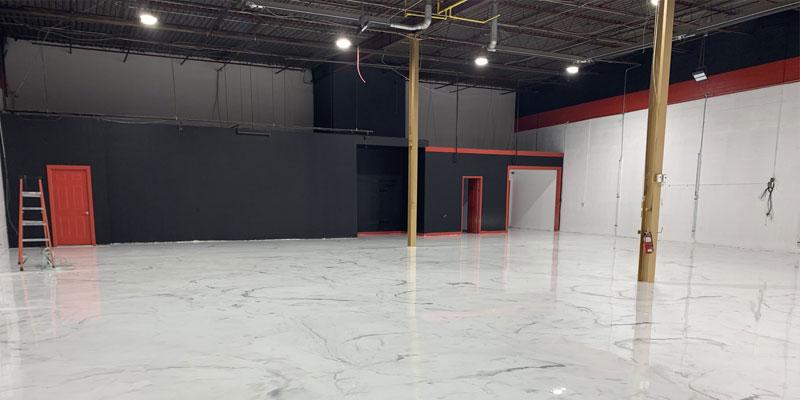
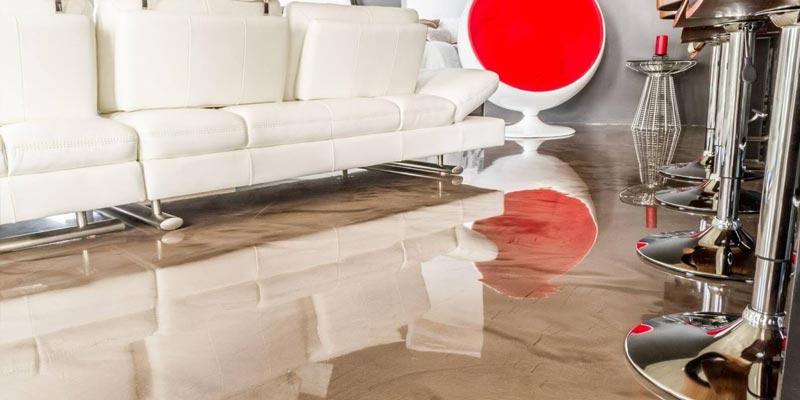
2. Improved Aesthetics: Epoxy floors can also improve the aesthetics of a business space. These floors are available in a wide range of colors and finishes, so businesses can choose the look that best suits their needs. Epoxy flooring can also be used to create patterns and designs, which can add interest and visual appeal to a space.

3. Enhanced Durability: As we mentioned before, epoxy floors are extremely durable. In fact, they are one of the most durable types of flooring on the market. They are able to withstand heavy foot traffic and equipment, and they are resistant to stains, chemicals, and abrasion. This means that epoxy floors require very little maintenance and can last for many years.

4. Easy Maintenance: Speaking of maintenance, epoxy floors are very easy to care for. These floors can be swept, mopped, and vacuumed just like any other type of floor. In addition, epoxy floors are resistant to staining, so spills can be quickly cleaned up without worry.

5. Cost-Effective: Epoxy floors are also a very cost-effective option for businesses. These floors are typically less expensive than other types of commercial flooring, and they can last for many years with proper care. This means that businesses can save money in the long run by choosing epoxy flooring.

6. Minimal Downtime: Another great advantage of epoxy floors is the fact that they can be installed quickly and with minimal disruption to business operations. In most cases, epoxy floors can be installed in just a few days. This means that businesses can get back to their regular routines quickly and without any major interruptions.

7. Increased Productivity: Epoxy floors can also help to increase productivity in the workplace. These floors are easy to clean and maintain, which means that employees won’t have to waste time cleaning or repairing them. In addition, epoxy floors are slip-resistant, which can help to reduce the number of accidents in the workplace.

8. Environmentally Friendly: Epoxy floors are also a very environmentally friendly option for businesses. These floors are made from recycled materials, and they can be reused or recycled at the end of their lifespan. In addition, epoxy floors emit very low levels of VOCs (volatile organic compounds), so they are safe for indoor air quality.

9. Versatile: Epoxy floors are also very versatile and can be used in a variety of settings. These floors can be installed in office buildings, warehouses, factories, retail stores, and more. In addition, epoxy floors can be customized to meet the specific needs of a business.

10. Long-Lasting: Finally, epoxy floors are very long-lasting and can provide many years of use. With proper care and maintenance, epoxy floors can last for 20 years or more. This makes them a wise investment for businesses that want to get the most out of their flooring budget.

Epoxy floors offer a variety of benefits for businesses, including enhanced safety, improved aesthetics, increased durability, easy maintenance, and cost-effectiveness. These floors are also versatile and long-lasting, making them a wise investment for any business!

If you’re ready to transform the floors of your business space, remember to avoid any at-home or DIY epoxy kits. These products are often inferior to professional-grade epoxy and can cause more harm than good.

Instead, trust our experts to get the job done right! We have years of experience installing epoxy floors in a variety of settings and can help you choose the right flooring for your needs. Contact us today to learn more about our services or to schedule a free consultation. We can help with everything from epoxy floor installation to floor repair and maintenance.
Recent Posts

Can I Apply an Epoxy Coating? 10 Helpful Tips

Can I Apply an Epoxy Coating? 10 Helpful Tips

Can I Apply an Epoxy Coating? 10 Helpful Tips

epoxy floor

Does your floor look old and dull? If so, you may be considering applying an epoxy coating. Epoxy coatings are a great way to give your floor a new lease on life. Not only will it make your floor look great, but it will also protect it from wear and tear.

If you’re thinking about applying an epoxy coating, there are a few things you should know. In this article, we’ll give you the basics of epoxy coating and ten helpful tips for applying epoxy coating.

What is an Epoxy Coating, and Why Would I Use It?

An epoxy coating is a type of floor coating that is made up of two parts: the epoxy resin and the hardener. When these two parts are mixed together, they create a strong, durable bond that can protect your floors from wear and tear. Epoxy coatings are also resistant to water, oil, and grease, making them ideal for kitchens and other areas where spills are common.

There are many reasons why you might choose to apply an epoxy coating to your floor. Perhaps you want to give your kitchen a makeover, or you’re looking for a way to protect your garage floor from stains and spills. No matter what your reason is, epoxy coatings can give your floors the protection they need.

How to Apply an Epoxy Coating

Now that you know what an epoxy coating is and why you might use it, let’s talk about how to apply it. Applying an epoxy coating is not as difficult as you might think, but there are a few things you need to know before you get started.

1. The first thing you need to do is clean your floor. Any dirt, dust, or grease on your floor will prevent the epoxy from adhering properly. Be sure to sweep and mop your floor thoroughly before you begin.

2. Once your floor is clean, it’s time to mix the epoxy resin and hardener together. Be sure to follow the instructions on the packaging, as the mixing ratio can vary depending on the brand.

3. Once the epoxy is mixed, it’s time to apply it to your floor. You can do this with a paint roller or a brush. Be sure to work in small sections so that the epoxy doesn’t dry before you have a chance to spread it evenly.

4. Once you’ve applied the epoxy, you need to let it cure. This usually takes 24-48 hours. During this time, you’ll need to keep your floor free of traffic. Once the epoxy has cured, you can enjoy your new and improved floor!

Now that you know how to apply an epoxy coating, here are ten helpful tips to make the process go smoothly:

1. Be sure to clean your floor thoroughly before you begin. Any dirt or dust will prevent the epoxy from adhering properly.

2. Mix the epoxy resin and hardener together in the correct ratio. Be sure to follow the instructions on the packaging.

3. Apply the epoxy in small sections so that it doesn’t dry before you have a chance to spread it evenly.

4. Let the epoxy cure for 24-48 hours before walking on it.

5. If you’re applying an epoxy coating to a kitchen floor, be sure to choose a slip-resistant variety.

6. If you’re not working in a well-ventilated area, you may want to wear a respirator to avoid breathing in fumes.

7. If you’re applying an epoxy coating to a garage floor, be sure to choose a variety that is resistant to oil and grease stains.

8. Epoxy coatings can be susceptible to UV damage, so be sure to apply a topcoat if your floor will be exposed to direct sunlight.

9. Be sure to follow the manufacturer’s instructions for cleaning and maintenance of your epoxy-coated floor.

10. If you have any questions or concerns about applying an epoxy coating, be sure to consult with a professional before you get started.

Applying an epoxy coating to your floor is a great way to give it a new lease on life. With these ten helpful tips, you can be sure that the process will go smoothly, and your floor will look great for years to come.

Consider Hiring an Epoxy Professional For Your New Floors

There are many reasons why you might choose to apply an epoxy coating to your floor. Perhaps you want to give your kitchen a makeover, or you’re looking for a way to protect your garage floor from stains and spills. No matter what your reason is, epoxy coatings can give your floors the protection they need.

While it’s possible to apply an epoxy coating yourself, there are several benefits to hiring a professional. First of all, professionals have the experience and knowledge necessary to ensure that the job is done properly. They also have access to higher-quality products that will last longer and look better than the products you can find at your local hardware store.

If you’re considering applying an epoxy coating to your floor, be sure to contact a professional for more information. With their help, you can give your floors the protection they need to last for years of use.

Recent Posts

Helpful Tips to Deal With an Uneven Epoxy Floor

Helpful Tips to Deal With an Uneven Epoxy Floor

Helpful Tips to Deal With an Uneven Epoxy Floor

7 Creative Ways You Can Decorate Your Home

With all of the different projects that you may take on around your home, it is inevitable that, at some point, you will come across an uneven surface. Whether it’s a crack in the sidewalk or a small dent in your wall, these imperfections can be frustrating to deal with. The same goes for an uneven epoxy floor.

While an epoxy floor coating can give your home a sleek and polished look, an uneven surface can ruin the overall aesthetic. Not to mention, an uneven epoxy floor can also be dangerous.

In this article, we’ll give you some helpful tips on how to deal with an uneven epoxy floor. First, we’ll take a closer look at what epoxy is and how it is applied. Then, we’ll go over some of the common causes of an uneven epoxy floor. Finally, we’ll give you some tips on how to fix an uneven epoxy floor.

What is an Epoxy Floor?

Epoxy is a type of resin that is often used as a coating for floors. It is a durable material that can resist scratches and stains. Epoxy is typically applied in two coats. The first coat is called the basecoat, and the second coat is called the topcoat.

The basecoat is responsible for providing the foundation for the topcoat. It also helps to protect the floor from wear and tear. The topcoat is what gives the floor its glossy finish. It also provides additional protection against stains and scratches.

How is an Epoxy Floor Applied?

Epoxy floors are usually applied by professional contractors. The first step is to prepare the floor by cleaning it and removing any debris. Next, the contractor will apply the base coat to the floor. Once the base coat has dried, they will apply the topcoat.

It is important to note that epoxy floors must be allowed to cure before they can be used. This process can take anywhere from 24 to 72 hours.

Common Causes of an Uneven Epoxy Floor

There are a few different reasons why an epoxy floor might become uneven. One of the most common causes is improper preparation of the floor before the coating is applied. If the floor is not cleaned properly or if there is debris on the surface, it can cause the epoxy to not adhere properly.

Another common cause of an uneven epoxy floor is applying the coating in humid or wet conditions. This can cause the epoxy to not cure properly and can lead to an uneven surface.

Finally, an uneven epoxy floor can be caused by walking on the floor before it has had a chance to fully cure. This can leave footprints or other imperfections in the coating.

How to Fix an Uneven Epoxy Floor

If you have an uneven epoxy floor, there are a few things that you can do to fix it. First, you will need to determine what caused the problem. If the issue was due to improper preparation of the floor, you will need to make sure that the floor is clean and free of debris before applying the coating.

If the problem was caused by applying the coating in humid or wet conditions, you will need to wait for the floor to dry completely before proceeding. Finally, if the unevenness was caused by walking on the floor before it had a chance to cure, you will need to sand down the footprints or other imperfections.

Once you have determined what caused the problem, you can begin fixing the uneven epoxy floor. First, you will need to remove any existing coatings from the floor. This can be done with a stripper or a sander. Next, you will need to clean the floor and remove any debris.

Once the floor is clean, you will need to apply a new basecoat. Once the base coat has dried, you can then apply the topcoat. Finally, you will need to allow the floor to cure for 24 to 72 hours before using it.

Fixing an uneven epoxy floor can be a bit of a hassle. However, by following these steps, you can fix the problem and have a beautiful, smooth floor in no time.

Consider Hiring a Professional for Epoxy Repairs

While it is possible to repair an uneven epoxy floor on your own, it is often best to hire a professional. Professional contractors have the experience and expertise necessary to ensure that the job is done properly.

In addition, professional contractors usually offer warranties on their work. This can give you peace of mind in knowing that your floor will be repaired properly and will last for many years to come.

If you are considering repairing your uneven epoxy floor, be sure to contact a professional contractor today. They can ensure the process is done properly and can help you achieve the beautiful, smooth floor that you desire.

Recent Posts

Which Epoxy Floor Thickness Is Right For Me?

Which Epoxy Floor Thickness Is Right For Me?

7 Creative Ways You Can Decorate Your Home With Epoxy

epoxy floor thickness

Does your concrete need a little help? If it’s cracked, chipped, or generally looks worse for wear, epoxy flooring can give it new life. But before you start the project, you need to know which epoxy floor thickness is right for your needs. This article will have all the basic facts about epoxy flooring every property owner should know, as well as the different thickness levels available.

What is an Epoxy Floor?

epoxy floor

Epoxy flooring is a type of floor coating that’s made up of several different components. The base is usually epoxy resin, with a hardener added to cure the material. Once it’s cured, epoxy flooring is one of the most durable types of flooring you can get. It’s resistant to scratches, staining, and fading, and it can even stand up to heavy foot traffic and machinery.

This material is so tough, in fact, that it’s often used in industrial and commercial settings. But epoxy flooring isn’t just for factepoxy floorories and warehouses anymore. It’s becoming increasingly popular in residential settings as well, thanks to its low maintenance and high durability.
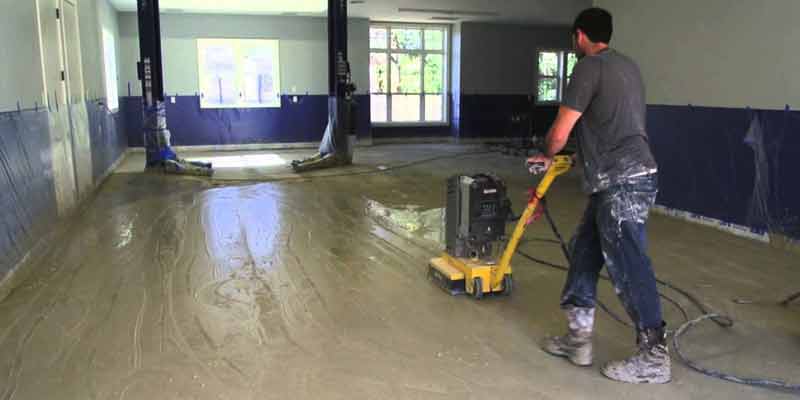
Epoxy Floor Thickness Levels


Now that you know a little more about epoxy flooring, let’s talk about thickness. This material is available in various thickness levels, from thin mils to thick coatings. The right thickness for your floor will depend on a few different factors, including:

The condition of your concrete – If your concrete is in good condition, you may only need a thin layer of epoxy to protect it. But if it’s cracked or damaged, you’ll need a thicker coating to cover up the imperfections.

The amount of traffic your floor gets – If your floor sees a lot of foot traffic, you’ll need a thicker epoxy coating to protect it from wear and tear.

Your budget – Epoxy flooring is available at a wide range of prices, so you can find an option that fits your budget.

Now that you know the different factors to consider when choosing an epoxy floor thickness, let’s take a look at the different options available.

Mil Thicknesses

The thinnest type of epoxy flooring is called a mil, and it’s typically only about 1-2mm thick. This is enough to provide a basic level of protection for your concrete, but it will not stand up to heavy traffic or machinery. Mil epoxy is a good choice for residential garages that don’t see a lot of use.

Small Chip Flooring

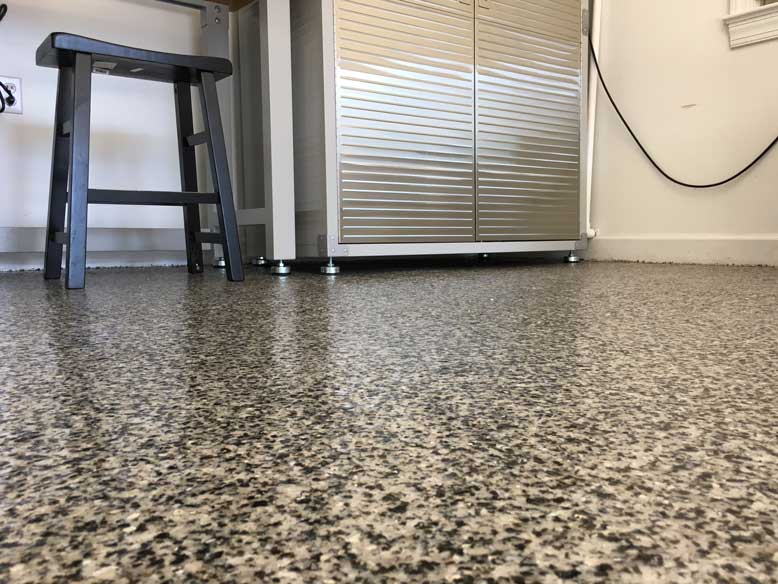
If you’re looking for something with a little more personality, small chip flooring might be the right option for you. This type of epoxy is made with small chips or flakes of color added to the base material. The chips can be made from stone, glass, or metal, and they add both visual interest and extra durability to the floor.

Small chip epoxy is available in thicknesses ranging from 3-4mm. This is enough to protect your floor from light foot traffic and occasional spills, but it will not stand up to heavy use.

Quartz Flooring

Quartz flooring is a good option if you need a durable floor that can stand up to heavy traffic. This type of epoxy is made with quartz sand added to the base material. The quartz provides extra durability and traction, making it a good choice for areas that see a lot of foot traffic.

Quartz epoxy is available in thicknesses ranging from 4-6mm. This is enough to protect your floor from heavy traffic and occasional spills, but it’s not going to stand up to constant exposure to chemicals or abrasives.

Metallic Flooring

Metallic flooring is another option for those who need a durable epoxy floor. This type of epoxy is made with metallic pigments added to the base material. The pigments add extra durability and a unique look to the floor.

Metallic epoxy is available in thicknesses ranging from 4-6mm. This is enough to protect your floor from heavy traffic and occasional spills.

High Build Flooring

If you’re looking for the most durable type of epoxy flooring, a high build is a way to go. This type of epoxy is made with multiple layers of material, each one cured before the next is applied. High-build epoxy floors are typically 8-10mm thick, making them almost indestructible.

High build epoxy is a good choice for areas that see heavy traffic or exposure to chemicals and abrasives. This type of flooring is also good for hiding imperfections in the concrete.

Should I DIY My Epoxy Floor?

If you’re planning to install an epoxy floor in your home, you may be wondering if you should do it yourself or hire a professional. The answer will depend on a few different factors, including:

The size of your project – If you’re only doing a small area, like a garage or basement, DIY may be the way to go. But if you’re doing a large area, like commercial space, it’s best to hire a professional.

Your level of experience – If you’ve never done an epoxy floor before, it’s best to leave it to the pros. But if you have some experience with this type of project, DIY may be an option for you.

Your budget – Hiring a professional to install your epoxy floor will cost more than doing it yourself, but it may be worth the investment if you want a high-quality job.

The type of flooring you’re using – If you’re using a high build epoxy, it’s best to hire a professional. But if you’re using a thinner flooring, like mil epoxy, DIY may be an option.

So, which epoxy floor thickness is right for you? It all depends on your needs and budget. If you need a durable floor that can stand up to heavy traffic, choose a 4-6mm thickness. For a more budget-friendly option, choose a thinner mil epoxy. And for an easy DIY project, consider small chip epoxy. Whatever you choose, be sure to follow the manufacturer’s instructions for the best results.

Recent Posts

Concrete Grinding: 10 Tips for Cleaning After Grinding

Concrete Grinding: 10 Tips for Cleaning After Grinding

Concrete Grinding: 10 Tips for Cleaning After Grinding

grinding polishing

If you’re looking for a way to spruce up your concrete flooring, concrete grinding may be the perfect solution. Grinding can remove old paint or stains, level out uneven floors, and provide a smooth surface for painting or polishing. But what many people don’t realize is that cleaning up after concrete grinding services is just as important as the grinding itself.

This article will provide you with ten tips on how to clean up after concrete grinding so that you can get the most out of your new flooring.

1. Immediately after grinding, sweep up any loose debris and dust. A broom and dustpan should do the trick, but you may also want to vacuum if there is a lot of debris.

2. Inspect your floor for any areas that need more grinding. If there are any high spots or uneven areas, grind them down until they are level with the rest of the floor.

3. Once your floor is completely smooth, it’s time to start cleaning! Use a pH-neutral cleaner and a soft mop to clean the floor gently. Be sure to avoid any harsh cleaners or abrasive pads, as these can damage the floor.

4. Rinse your floor with clean water and allow it to air dry.

5. Apply a sealer to the floor if desired. This will help protect the floor from stains and dirt.

6. If you are painting your floor, now is the time to do so! Be sure to use quality concrete paint designed for floors.

7. Once the paint is dry, buff the floor with a soft cloth to remove any excess paint.

8. Finally, apply wax to the floor if desired. This will help keep the paint looking fresh and will make it easier to clean in the future.

9. Enjoy your new, clean floor!

10. Remember to sweep and mop your floor regularly to keep it looking its best.

Why is Cleaning After Grinding So Important?

Cleaning up after concrete grinding is important for a number of reasons. First, it helps to ensure that your new flooring looks its best. If there is any debris or dirt left behind, it can dull the appearance of your floor. Second, it helps to protect your floor from stains and damage. Harsh cleaners and abrasive pads can damage the floor, so it’s important to avoid them. Finally, regular cleaning will help to extend the life of your floor.

Should a Professional Grind My Concrete Floors?

polish concrete

While it is possible to grind concrete floors yourself, it’s best to leave the job to a professional. Concrete grinding is a difficult and time-consuming task, so it’s best to leave it to someone with experience. In addition, professionals have access to better equipment and techniques, which means they can better grind your floors.

How Can I Find a Reputable Concrete Grinding Company?

If you’re looking for a reputable concrete grinding company, there are a few things you should keep in mind. First, be sure to check online reviews. This will give you an idea of what others have thought of the company’s services. Second, ask for recommendations from friends or family members who have used concrete grinding services in the past. Finally, make sure to get several quotes from different companies before making your final decision.

What are the Risks of DIY Concrete Grinding?

There are a few risks associated with DIY concrete grinding. First, if you’re not experienced with concrete grinding, you could damage your floors. Second, you may not have access to the same high-quality equipment that professionals use. This could result in an inferior grind. Finally, it’s important to be aware of the health risks associated with concrete dust. If you inhale too much concrete dust, it can lead to respiratory problems.

While there are some risks associated with DIY concrete grinding, it’s generally safe as long as you take the necessary precautions. If you’re not sure whether or not you should attempt to grind your own floors, it’s best to consult with a professional.

Is Concrete Grinding Right for My Floors?

Concrete grinding is a great way to get new smooth, and clean floors. However, it’s important to ensure that concrete grinding is right for your floors. If your floors are in good condition, there’s no need to grind them down. In addition, if you’re planning on painting your floors, it’s best to wait until after the grinding process is complete. Finally, be sure to consult with a professional before making any decisions about concrete grinding.

When it comes to concrete grinding, it’s important to take the time to do it right. By following these tips, you can ensure that your floors will look their best for years to come!

FAQ About Concrete Grinding and Cleaning

1. What is concrete grinding?

Concrete grinding is the process of removing any material from a concrete surface using an abrasive tool. The purpose of grinding is usually to improve the appearance of the concrete, but it can also be used to remove stains or to prepare the surface for other treatments.

2. How do I clean up after concrete grinding?

It’s important to clean up after concrete grinding to ensure that your floor looks its best. Be sure to sweep and mop the floor regularly, and avoid using harsh cleaners or abrasive pads.

3. Why is cleaning after grinding so important?

Cleaning up after concrete grinding is important for a number of reasons. First, it helps to ensure that your new flooring looks its best. If there is any debris or dirt left behind, it can dull the appearance of your floor. Second, it helps to protect your floor from stains and damage. Harsh cleaners and abrasive pads can damage the floor, so it’s important to avoid them. Finally, regular cleaning will help to extend the life of your floor.

Recent Posts

Most Popular Types of Floor Coating Sealers

Most Popular Types of Floor Coating Sealers

7 Creative Ways You Can Decorate Your Home With Epoxy

7 Creative Ways You Can Decorate Your Home

Do your floors look dull and lifeless? Are they in need of a makeover? If so, you may be considering floor coating sealers. Floor coating sealers are a great way to give your floors a new lease on life. They can protect your floors from wear and tear, and they can also make them look great.

However, many home and business owners are unaware of the different types of floor coating sealers available. This article will provide you with a brief overview of the most popular types of floor coating sealers to make an informed decision about which product is right for your needs.

1. Water-based Sealers

Water-based sealers are the most popular floor coating sealer on the market. They are easy to apply, and they dry quickly. Water-based sealers are also safe to use around children and pets. However, water-based sealers may not be as durable as other sealers.

2. Oil-based Sealers

Oil-based sealers are more durable than water-based sealers. They can withstand heavy traffic, and they are resistant to stains. However, oil-based sealers can be difficult to apply, and they often have a strong odor.

3. Epoxy Sealers

Epoxy sealers are the most durable floor coating sealer available. They are resistant to stains, scratches, and scuffs. Epoxy sealers also create a high-gloss finish that is easy to clean. However, epoxy sealers can be difficult to apply, and they require a long curing time.

4. Polyurethane Sealers

Polyurethane sealers are a type of water-based sealer. They are less durable than epoxy sealers, but they are easier to apply. Polyurethane sealers also have a lower odor than oil-based sealers.

5. Acrylic Sealers

Acrylic sealers are the most popular type of water-based sealer. They are easy to apply, and they dry quickly. Acrylic sealers are also safe to use around children and pets. However, acrylic sealers may not be as durable as other sealers.

How Do I Know Which Sealer is Right for Me?

The type of floor coating sealer you choose should depend on your needs and preferences. If you are looking for a durable sealer, epoxy or polyurethane may be the best option. If you are looking for an easy-to-apply sealer, water-based or acrylic sealers may be the best option. If you are unsure which type of sealer is right for you, consult with a professional flooring contractor.

DIY Floor Coating Sealer Installation vs. Professional Installation

Many home and business owners choose to install their own floor coating sealers. However, professional installation is always recommended. Floor coating sealer installation is a complex process, and it requires special equipment and training. If you are not experienced in floor coating sealer installation, it is best to leave the job to the professionals.

Hiring a Professional Flooring Contractor

Contact a professional flooring contractor today if you are interested in having your floors coated with a floor coating sealer. A professional flooring contractor will be able to assess your needs and recommend the best type of sealer for your floors. They will also be able to provide you with a free estimate for the installation cost.

You should consider these questions when hiring a professional flooring contractor:

· What is the cost of installation?

· What type of sealer do they recommend?

· How long will the installation process take?

· Do they have experience installing floor coating sealers?

· Do they have liability insurance?

· Are they bonded?

Be sure to ask for references from past clients and check those references before hiring a contractor. By taking these precautions, you can be sure that you are hiring a reputable and qualified professional.

Learn the Risks of a DIY Installation

Installing a floor coating sealer is a complex process that requires special equipment and training. If you are not experienced in floor coating sealer installation, you could end up damaging your floors. You could also void the warranty on your flooring by attempting a DIY installation.

In order to avoid these risks, it is best to leave the job to the professionals. Hiring a professional flooring contractor is the best way to ensure that your floors are coated properly and that the job is done right.

By following these tips, you can be sure that you are making the best decision for your floors. Floor coating sealers are an important investment, and you should be sure to choose the right product for your needs. With so many options on the market, it is important to do your research before making a purchase. Consulting with a professional flooring contractor is the best way to ensure that you are choosing the right product for your floors.

FAQ About Floor Coating Sealers

1. What are floor coating sealers?

Floor coating sealers are products applied to floors to protect them from wear and tear. Sealers can be made from a variety of materials, including acrylic, epoxy, polyurethane, and water-based formulas.

2. What are the most popular types of floor coating sealers?

The most popular types of floor coating sealers are acrylic, epoxy, polyurethane, and water-based formulas.

3. How do I know which type of sealer is right for me?

The type of floor coating sealer you choose should depend on your needs and preferences. If you are looking for a durable sealer, epoxy or polyurethane may be the best option. If you are looking for an easy-to-apply sealer, water-based or acrylic sealers may be the best option. If you are unsure which type of sealer is right for you, consult with a professional flooring contractor.

4. Can I install my own floor coating sealer?

Many home and business owners choose to install their own floor coating sealers. However, professional installation is always recommended. Floor coating sealer installation is a complex process, and it requires special equipment and training. If you are not experienced in floor coating sealer installation, it is best to leave the job to the professionals.

5. How much does it cost to have my floors coated with a floor coating sealer?

The cost of having your floors coated with a floor coating sealer will vary depending on the type of sealer you choose and the size of your project. Be sure to get a free estimate from a professional flooring contractor before making a decision.

Recent Posts

Epoxy 101: What is the General Purpose of Epoxy?

Epoxy 101: What is the General Purpose of Epoxy?

Epoxy 101: What is the General Purpose of Epoxy?

7 Creative Ways You Can Decorate Your Home
1. Epoxy Flooring

If you’ve ever seen an epoxy floor coating, you may have wondered about its purpose. Where does such a shiny, tough material belong? The answer is: almost anywhere! Epoxy is ideal for high-traffic areas that see a lot of wear and tear, as it’s one of the most durable floor coatings available.

One issue is that many people have misconceptions about what epoxy actually is. Many people think that it is just a coating, but it is a whole system made up of several different components. 

This article will discuss the fundamentals of epoxy flooring, what it is used for, and dispel some of the myths surrounding this versatile material.

What Is Epoxy?

Epoxy is a resin that is mixed with a hardener to create a durable, plastic-like material. This material can be used as an adhesive, sealant, or coating. It is often used in industrial and commercial settings because of its high strength and resistance to chemicals and heat. 

There are two popular types of epoxy: solvent-based and water-borne. Solvent-based epoxies are more durable and have a longer shelf life, but they also require special ventilation to be used safely. Water-borne epoxies can be used in environments where it is impossible to use a solvent-based product, but they are not as strong or long-lasting.

What Is Epoxy Used For?

Epoxy has a variety of uses, but it is most commonly used as a floor coating. This is because epoxy is an extremely durable material that can resist heavy foot traffic and the weight of vehicles. It is also resistant to chemicals, oil, grease, and water. 

Epoxy floor coatings are often used in industrial settings, such as factories and warehouses. They can also be used in commercial settings, such as retail stores, restaurants, and office buildings. In some cases, epoxy flooring is even used in residential homes.


How Is Epoxy Applied?

Epoxy flooring is usually applied by a professional contractor. The first step is to prepare the surface by cleaning it and removing any loose paint or debris. The surface must be completely dry before the epoxy can be applied. 

Once the surface is prepared, the epoxy resin and hardener are mixed together. The mixture is then spread over the surface with a roller or squeegee. It is important to work quickly, as the epoxy will begin to set within minutes. 

The final step is to apply a top coat to protect the epoxy from UV rays and provide a slip-resistant surface.

What Are The Benefits Of Epoxy Flooring?

Epoxy flooring has many benefits, both for businesses and homeowners. Some of the most popular benefits include: 

– Durability: As mentioned above, epoxy is one of the most durable floor coatings available. It can resist heavy foot traffic, vehicles, chemicals, oil, grease, and water.

– Aesthetics: Epoxy flooring is available in a variety of colors and finishes. This allows businesses to create an aesthetically pleasing environment that reflects their brand.

– Easy Maintenance: Epoxy flooring is very easy to clean and maintain. Spills can be quickly wiped up, and the surface can be swept or mopped as needed.

– Safety: Epoxy flooring can provide a slip-resistant surface that helps prevent accidents. 

– Versatility: Epoxy can be used in a variety of settings, both commercial and industrial. 

Are There Any Disadvantages Of Epoxy Flooring?

While epoxy flooring has many benefits, there are a few potential disadvantages. These include: 

– Cost: Epoxy flooring can be more expensive than other types of flooring, such as carpet or tile. However, epoxy’s durability and easy maintenance often make it worth the investment. 

– Installation: Epoxy flooring must be installed by a professional contractor. This can add to the overall cost of the project. 

– Smell: Epoxy flooring has a strong chemical smell when first applied. This smell will dissipate within a few days, but it can be bothersome for some people. 

– Allergies: Some people may be allergic to the chemicals in epoxy flooring. This is not common, but it is important to be aware of the potential risk.

Is Epoxy Flooring Right For Me?

Epoxy flooring is a great option for businesses and homeowners looking for a durable, easy-to-maintain flooring solution. It is also an excellent choice for those who want to create an aesthetically pleasing environment. 

If you are considering epoxy flooring for your home or business, contact a professional contractor to discuss your options. They can help you decide if epoxy is the right choice for your needs. You should avoid DIY installation or at-home epoxy kits, as this can lead to poor results and a higher long-term cost. 

Regardless of your choice, it is important to do your research first to find the best epoxy flooring solution for your needs. With the right contractor and preparation, you can enjoy all of the benefits of epoxy flooring for many years to come.

Recent Posts

Most Common Benefits and Drawbacks of an Epoxy Floor

Most Common Benefits and Drawbacks of an Epoxy Floor

Most Common Benefits and Drawbacks of an Epoxy Floor

7 Creative Ways You Can Decorate Your Home

If you’re considering an epoxy floor for your home or business, it’s important to weigh the pros and cons before making a decision. Epoxy floors are durable and easy to clean, but they can be expensive to install and may require more maintenance than other types of flooring.

This article will cover all the fundamentals of epoxy flooring and the pros and cons of installing an epoxy floor.

What is Epoxy?

Epoxy is a type of resin used to create a hard, durable surface. Epoxy flooring is made by mixing epoxy resin with a hardener and then applying it to the floor. The mixture will cure and harden, creating a smooth, glossy surface.

Epoxy floors are popular in commercial and industrial settings because they are slip-resistant and easy to clean. They are also resistant to chemicals, oil, and grease, making them ideal for use in garages or workshops.

Benefits of an Epoxy Floor

There are many benefits to installing an epoxy floor:

1. Durability: Epoxy floors are very durable and can last for many years with proper care and maintenance.

2. Easy to clean: Epoxy floors are easy to clean and maintain, and they resist stains and spills.

3. Resistant to chemicals and oil: Epoxy floors are resistant to chemicals, oil, and grease, making them ideal for use in garages or workshops.

4. Slip-resistant: Epoxy floors are slip-resistant, which makes them safe for use in commercial or industrial settings.

5. Affordable: Epoxy floors are an affordable flooring option compared to other types of flooring such as hardwood or tile.

Drawbacks of an Epoxy Floor

There are some drawbacks to installing an epoxy floor:

1. Requires regular maintenance: Epoxy floors require regular cleaning and maintenance to keep them looking their best.

2. Expensive to install: Epoxy floors can be expensive to install, especially if you hire a professional to do the work.

3. Can be slippery when wet: Epoxy floors can be slippery when wet, so they may not be ideal for use in areas where there is a lot of foot traffic.

4. Not eco-friendly: Epoxy floors are not eco-friendly because they are made from petroleum products.

5. Requires a curing time: Epoxy floors require a curing time of 24-48 hours before they can be used, so you will need to plan ahead if you’re installing an epoxy floor.

How is an Epoxy Coating Installed?

If you’re considering an epoxy floor for your home or business, it’s important to understand how the process works. Epoxy floors are typically installed by a professional, but there are DIY kits available if you’re interested in doing the work yourself.

The first step is to prepare the floor’s surface by sanding it down and removing any debris. Then, the epoxy resin and hardener are mixed together and applied to the floor using a roller or brush. The mixture will need to cure for 24-48 hours before being ready for use.

Once the epoxy has cured, you can apply a topcoat if desired. Topcoats are not required, but they can improve the durability and appearance of the floor.

Are There Different Types of Epoxy Flooring?

There are two main types of epoxy flooring:

1. 100% solid epoxy: This type of epoxy flooring is the most durable, but it can also be quite expensive.

2. Water-based epoxy: Water-based epoxy is less durable than 100% solid epoxy, but it is more cost-effective and easier to install.

When considering an epoxy floor for your home or business, it’s important to weigh the pros and cons to decide if it’s the right flooring option for you. Epoxy floors have many benefits, but they also require regular maintenance and can be expensive to install.

If you’re looking for a durable, easy-to-clean floor that will last for many years, an epoxy floor may be the right choice for you. However, if you’re on a budget or you’re not interested in regular maintenance, another flooring option may be better suited for your needs.

Frequently Asked Questions About Epoxy Flooring

1. How much does an epoxy floor cost?

Epoxy floors can be expensive to install, especially if you hire a professional to do the work. However, they are an affordable flooring option compared to other types of flooring, such as hardwood or tile.

2. How long does it take to install an epoxy floor?

Epoxy floors typically need to cure for 24-48 hours before being ready for use. If you’re hiring a professional, it may take several days or even weeks to complete the installation process, depending on the size of the space and the complexity of the job.

3. How do I care for an epoxy floor?

Regular cleaning and maintenance are required to keep your epoxy floor looking its best. Sweeping or vacuuming the floor to remove dirt and debris and mopping with a mild soap and water solution. You may also need to reapply the top coat every few years to protect the floor from wear and tear.

4. Can I install an epoxy floor myself?

There are DIY kits available for those interested in installing their own epoxy floor. However, the process can be complicated and time-consuming, so it’s generally best to leave it to the professionals.

Recent Posts

Your Guide to Epoxy Floor Non-Skid Additives

Your Guide to Epoxy Floor Non-Skid Additives

Your Guide to Epoxy Floor Non-Skid Additives

7 Creative Ways You Can Decorate Your Home

Epoxy resin is a tool that can be utilized to get creative around your house. This long-lasting and versatile material can be used to implement a variety of creative ideas!

So, how can you get creative by decorating your home with epoxy?

In the article below, we’ll discuss seven creative ways you can decorate your home using epoxy. Continue reading to learn more!

1. Epoxy Flooring

Does your epoxy flooring project require a non-skid additive? If so, you’ve come to the right place! This guide will cover everything you need to know about epoxy floor non-skid additives, including what they are, how they work, and where you can find them.

What are Epoxy Floor Non-Skid Additives?

Epoxy floor non-skid additives are materials that can be added to an epoxy floor coating to create a textured surface that is less slippery and safer to walk on. Non-skid additives come in various shapes, sizes, and colors, so you can choose the one that best suits your needs.

These floors are commonly used in commercial and industrial settings where slip resistance is important, such as in kitchens, hospitals, and warehouses.

How Do Epoxy Floor Non-Skid Additives Work?

When mixed into an epoxy floor coating, non-skid additives create a textured surface that is less slippery than a smooth coating. The roughness of the surface helps to improve traction and prevent slips and falls.

Non-skid additives are typically made from sand, aggregate, or aluminum oxide materials. They are added to the epoxy during the mixing process and are dispersed evenly throughout the coating.

Can Additives Be Used on Decorative Epoxy?

One major benefit of epoxy non-skid additives is that they can be used on decorative epoxy floors. However, it is important to note that the additive will change the floor’s appearance and may make it more difficult to clean.

If you are looking for a decorative epoxy floor with a slip-resistant surface, we recommend using a clear epoxy with a non-skid additive. This will allow you to achieve the look you want while still providing a safe surface.

Where Can I Find Epoxy Floor Non-Skid Additives?

Epoxy floor non-skid additives can be found at most hardware stores or online retailers that sell epoxy flooring products. However, these products are not the same quality as those from a professional epoxy company. These products may not mix well with your epoxy or may not provide the same level of slip resistance.

We recommend using a professional-grade epoxy floor non-skid additive from a reputable company. This will ensure that you get a product that is compatible with your epoxy and that will provide the level of slip resistance you need.

Risks of DIY vs. Professional Installation

While adding a non-skid additive to your epoxy floor coating yourself is possible, we recommend using a professional installer. A professional will have the experience and knowledge necessary to properly mix and apply the additive.

DIY epoxy flooring projects can be risky, as improper mixing and application can lead to a weaker floor that is more susceptible to damage. Furthermore, if the additive is not mixed evenly, you may end up with an uneven surface that is more difficult to clean.

It is always best to leave the installation to the professionals when it comes to epoxy floors.

Choosing the Right Non-Skid Additive for Your Project

Now that you know all about epoxy floor non-skid additives, it’s time to choose the right one for your project. There are a few things you’ll need to consider, such as the type of epoxy you’re using, the environment the floor will be in, and your budget.

If you’re not sure which additive is right for you, we recommend talking to a professional epoxy company. They will be able to help you choose the right additive for your project and provide guidance on how to properly mix and apply it.

Adding a non-skid additive to your epoxy flooring is a great way to create a safer, slip-resistant surface. Just make sure you do your research and talk to a professional before getting started!

In Summary

Epoxy floor non-skid additives are materials that can be added to an epoxy floor coating to create a textured surface that is less slippery and safer to walk on. Non-skid additives come in various shapes, sizes, and colors, so you can choose the one that best suits your needs. These floors are commonly used in commercial and industrial settings where slip resistance is important, such as in kitchens, hospitals, and warehouses.

When mixed into an epoxy floor coating, non-skid additives create a textured surface that is less slippery than a smooth coating.

FAQ About Epoxy Non-Skid Additives

Q: What are epoxy floor non-skid additives?

A: Epoxy floor non-skid additives are materials that can be added to an epoxy floor coating to create a textured surface that is less slippery and safer to walk on.

Q: Can these additives be used on decorative epoxy floors?

A: Yes, but it is important to note that the additive will change the floor’s appearance and may make it more difficult to clean.

Q: How much does it cost to add a non-skid additive to an epoxy floor?

A: The cost of an epoxy floor non-skid additive will vary depending on the type and brand of additive you choose. Generally, these products are relatively inexpensive and can be found at most hardware stores or online retailers.

Q: Can I add a non-skid additive to my epoxy floor myself?

A: While you can add a non-skid additive to your epoxy floor coating yourself, we recommend using a professional installer. A professional will have the experience and knowledge necessary to properly mix and apply the additive.

Q: What are the benefits of adding a non-skid additive to my epoxy floor?

A: Non-skid additives create a safer, slip-resistant surface that is ideal for commercial and industrial settings. These floors are also easy to clean and maintain.

Q: What are some things to consider before adding a non-skid additive to my epoxy floor?

A: There are a few things you’ll need to consider, such as the type of epoxy you’re using, the environment the floor will be in, and your budget. If you’re unsure which additive is suitable for you, we recommend talking to a professional epoxy company. They will be able to help you choose the right additive for your project and provide guidance on how to mix and apply it correctly.

Recent Posts

Is Epoxy Right For Your Basement? Learn the Facts

Is Epoxy Right For Your Basement? Learn the Facts

Is Epoxy Right For Your Basement? Learn the Facts

7 Creative Ways You Can Decorate Your Home

If you’ve ever considered an epoxy floor for your basement, you may be wondering if it’s the right choice. Epoxy is a solid and durable material that can provide many benefits for your basement floor. Here are some facts about epoxy floors that may help you decide if it’s right for your home.

What is Epoxy?

Epoxy is a type of resin used in many industrial and commercial applications. It is often used as a sealant or adhesive but can also be used as a coating. When used as a coating, epoxy creates a hard, durable surface resistant to many chemicals and wear and tear.

This type of surface is ideal for many home areas, including the basement. The basement is often one of the most neglected areas for flooring. It’s usually seen as a space for storage or laundry and not much else. However, with the right flooring, your basement can become a functional and stylish space in your home.

Why Choose Epoxy for Your Basement Floor?

There are many reasons to choose epoxy for your basement floor. Here are some of the top benefits:

1. Durability

One of the biggest advantages of epoxy floors is their durability. This type of surface can withstand heavy foot traffic and resist many common household chemicals. Epoxy is also resistant to staining, making it easy to keep your floor looking new.

2. Easy Maintenance

Another benefit of epoxy floors is that they are easy to maintain. This surface type is non-porous, so spills and stains can be easily wiped up. Epoxy floors also don’t require regular stripping and waxing like other types of flooring.

3. Enhanced Style

In addition to being durable and easy to maintain, epoxy floors can also enhance the style of your basement. With a wide range of colors and finishes available, you can create a unique look for your space. Epoxy floors can also mimic the look of other materials, such as stone or wood.

4. Increased Value

Installing an epoxy floor in your basement can also increase the value of your home. This type of flooring is becoming increasingly popular, so adding it to your basement can make your home more attractive to potential buyers.

5. Improved Air Quality

Epoxy floors can also improve the air quality in your basement by sealing off the concrete beneath. Concrete is a porous material that can absorb moisture and pollutants from the air. By sealing it with epoxy, you can create a barrier that helps to keep your basement air clean and free from allergens and other irritants.

Types of Basement Epoxy Coatings

There are two main types of epoxy coatings: 100% solids and water-based.

100% solids epoxy coatings are the most durable and provide the best protection for your basement floor. However, they can be more difficult to apply and require special ventilation during the curing process.

Water-based epoxy coatings are easier to apply and don’t require special ventilation. However, they are not as durable as 100% solids epoxies and may not provide the same level of protection for your basement floor.

Where Else is Epoxy Installed?

Other than residential basements, epoxy floors are also commonly installed in:

1. Commercial Kitchens

2. Food and Beverage Processing Plants

3. Retail Stores

4. Warehouses

5. Auto Dealerships

6. Garages

7. Airplane Hangers

8. Manufacturing Plants

9. Hospitals

10. School Gymnasiums

DIY vs. Professional Installation

You can install epoxy flooring yourself, but it’s not always the best idea. If you don’t have experience working with this type of material, it’s easy to make mistakes that can ruin your floor or cause health hazards. It’s also important to make sure you have the proper ventilation for a 100% solids epoxy coating.

For these reasons, it’s usually best to leave epoxy floor installation to the professionals. A professional installer will have the experience and expertise to get the job done right. They will also have the proper ventilation and safety equipment for 100% solids epoxy coatings.

If you’re considering an epoxy floor for your basement, contact a local flooring contractor to discuss your options. They can help you choose the right type of epoxy coating for your space and budget and provide a free estimate for the installation.

Frequently Asked Questions About Basement Epoxy Flooring

1. What is epoxy?

Epoxy is a type of resin that can be used to create a variety of different products. It’s often used in flooring because it’s durable and easy to maintain.

2. Why is epoxy a good choice for basements?

Epoxy is a good choice for basements because it’s durable, easy to maintain, and can resist many common household chemicals. It’s also available in a variety of colors and finishes, so you can create a unique look for your space.

3. What are the types of basement epoxy coatings?

There are two main types of basement epoxy coatings: 100% solids and water-based. 100% solids epoxy coatings are the most durable and provide the best protection for your basement floor. However, they can be more difficult to apply and require special ventilation during the curing process. Water-based epoxy coatings are easier to apply and don’t require special ventilation. However, they are not as durable as 100% solids epoxies and may not provide the same level of protection for your basement floor.

4. Should I install my own epoxy floor?

You can install epoxy flooring yourself, but it’s not always the best idea. If you don’t have experience working with this type of material, it’s easy to make mistakes that can ruin your floor or cause health hazards. It’s also important to make sure you have the proper ventilation for a 100% solids epoxy coating. For these reasons, it’s usually best to leave epoxy floor installation to the professionals.

5. How much does an epoxy floor cost?

The cost of an epoxy floor varies depending on the type of coating, the size of your space, and whether you choose to do a DIY or professional installation. However, you can expect to spend anywhere from $2 to $5 per square foot for materials and labor.

6. How long does it take to install an epoxy floor?

The installation time for an epoxy floor varies depending on the size of your space and the type of coating you choose. However, most projects can be completed in one to two days.

7. How do I care for my epoxy floor?

Epoxy floors are easy to maintain and only require regular sweeping and mopping. You can also use a wet vacuum to clean up spills. For more stubborn stains, you can use a mild detergent or special epoxy floor cleaner.

8. Will an epoxy floor increase the value of my home?

An epoxy floor can add both beauty and value to your home. However, the return on investment will vary depending on the type of coating you choose and the condition of your basement.

9. Are there any health risks associated with epoxy floors?

When installed properly, epoxy floors are safe for both people and pets. However, 100% solids epoxy coatings release fumes that can be harmful if inhaled during the curing process. For this reason, it’s important to make sure you have proper ventilation when working with this type of material.

10. Can I install an epoxy floor over my existing floor?

In most cases, yes. However, it’s important to consult with a professional before proceeding. They can assess your existing floor and ensure that it’s compatible with the epoxy coating.

Recent Posts

Call Now 213-513-5290!