
DIY Pool Deck Resurfacing: Smart Tips, Ideas, and Affordable Options
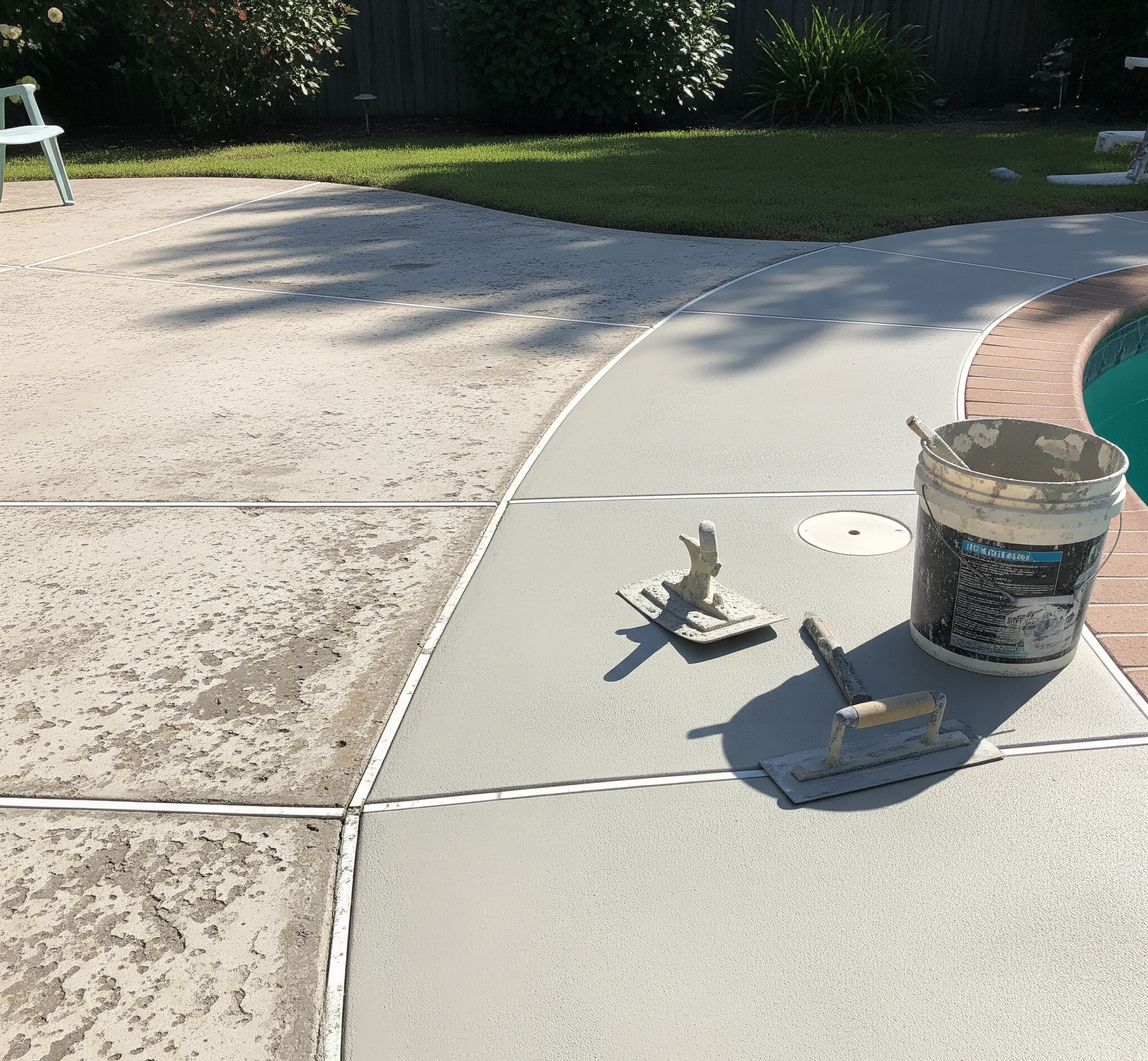
Introduction: Is DIY Pool Deck Resurfacing the Right Choice?
If your pool deck is looking worn, faded, or cracked, you’re probably thinking about ways to restore it without spending a fortune. Enter: DIY pool deck resurfacing—a cost-effective solution for homeowners who enjoy hands-on improvement projects. In areas like El Monte and Laguna Niguel, where outdoor living is part of everyday life, having a safe and attractive pool deck can make all the difference.
Resurfacing your pool deck doesn’t always require a contractor. With the right materials, tools, and a bit of patience, homeowners can take on the job themselves. Whether you want to cover up cracks, reduce slipperiness, or give your outdoor space a modern look, resurfacing can breathe new life into your backyard.
This guide breaks down the best pool deck resurfacing options for DIYers, including step-by-step approaches, material comparisons, safety tips, and even where to go pro. We’ll also explore epoxy pool deck resurfacing techniques and alternatives like pebble finishes, pool deck resurfacing diy ideas, or spray coatings—so you can choose the option that suits your skills and your style.
What Is DIY Pool Deck Resurfacing?
DIY pool deck resurfacing is the process of restoring your concrete pool deck’s appearance and function using over-the-counter products and your own labor. Rather than removing and replacing the concrete, you apply new layers or finishes that improve texture, color, and durability.
Most diy concrete pool deck resurfacing options fall into a few categories:
- Concrete Overlays – Premixed resurfacer that’s spread with a trowel or broom for a fresh surface
- Spray Knockdown Texture – A sprayed coating that creates a slip-resistant finish
- Epoxy Coatings – Durable and chemical-resistant, perfect for a smooth modern look
- Pebble Toppings – Embedded pebble stones for a natural texture
- Color Stains & Sealers – For basic cosmetic refreshes with minimal labor
DIY resurfacing is best for pool decks that have cosmetic wear, hairline cracks, or faded finishes—but not for those with major structural damage or extensive crumbling. Before starting any project, inspect the deck thoroughly and fix surface cracks or uneven areas. Many homeowners also browse pool deck resurfacing diy ideas for inspiration and technique guides before beginning.
Tools and Materials You’ll Need
Taking on a pool deck resurfacing DIY project means assembling the right tools and materials beforehand. Depending on the method you choose, your toolkit may vary. Here’s a general list for a successful DIY resurfacing job:
Tools:
- Pressure washer (for cleaning)
- Concrete grinder or etching solution
- Trowel, squeegee, or texture sprayer
- Mixing bucket or drill mixer
- Painter’s tape and plastic sheeting
- Safety gear (gloves, goggles, knee pads)
Materials:
- Concrete patch or crack filler
- Overlay or resurfacing mix
- Primer or bonding agent
- Sealer (UV-resistant for outdoor decks)
- Optional: epoxy kits, color stain, or anti-slip additive
Always follow the manufacturer’s instructions for mixing ratios and curing times. Even the best pool deck resurfacing options will fail if applied incorrectly. Many kits are now designed for DIYers, reducing guesswork and simplifying installation.
Comparison Table: DIY vs. Professional Pool Deck Resurfacing
Thinking of saving money by doing it yourself? Here’s how DIY pool deck resurfacing compares to hiring a pro:
Feature | DIY Pool Deck Resurfacing | Professional Resurfacing |
Cost | $2–$6 per sq. ft. | $7–$15+ per sq. ft. |
Labor Time | 2–4 days | 1–2 days |
Skill Level | Medium | Expert |
Finish Options | Moderate (kit-based) | Wide variety (custom designs) |
Durability | 5–10 years | 10–20+ years |
Risk of Mistakes | High (especially epoxy) | Low |
Warranty or Guarantee | None | Usually included |
DIY is ideal if you’re resurfacing a small area with minor imperfections and you’re comfortable using tools. But for high-end results or intricate finishes like epoxy pool deck resurfacing, it’s often better to hire experts like Los Angeles Epoxy.
Best Pool Deck Resurfacing Options for DIYers
Let’s break down the best pool deck resurfacing options you can try on your own:
- Concrete Resurfacer – A premixed bag product for broom-finish results. Quick and cheap, but basic in appearance.
- Spray Texture Coating – Lightweight, slip-resistant, and forgiving of imperfections. Great for sunny areas like El Monte.
- Epoxy Pool Deck Resurfacing – Offers a smooth, modern finish that’s UV and chemical resistant. Best left to confident DIYers due to short working time.
- Pebble Pool Deck Finish – Combine pebbles and resin for a natural look. Adds traction and beauty, though harder to apply evenly. A great way to include pool deck resurfacing pebble finishes.
- Color Stains and Sealers – Perfect for resurfacing a pool deck that just needs a cosmetic refresh.
Tip: Look for DIY concrete pool deck resurfacing options that include bonding agents or primers in the kit—they improve durability and help coatings adhere properly.
Local Insights: What Works in El Monte & Laguna Niguel
In places like El Monte, homeowners face dry heat, heavy sun exposure, and occasional dust—all of which can degrade unsealed concrete quickly. Opting for heat-reflective spray textures or epoxy coatings can reduce surface temps and make decks safer for bare feet.
In Laguna Niguel, where coastal air and moisture are constant, it’s smart to use sealers that resist salt air corrosion and mildew. Pebble finishes work well here, too, offering organic looks that blend with lush landscaping.
DIYers in both cities should consider:
- Using UV-stable coatings
- Applying anti-slip textures for safety
- Sealing surfaces every 1–2 years for longevity
While a basic resurfacing can be done solo, locals often turn to Los Angeles Epoxy for complex installs or larger areas where longevity and appearance matter most.
Common DIY Pool Deck Resurfacing Mistakes to Avoid
If you’re taking on a resurfacing job yourself, beware of these frequent pitfalls:
- Skipping Surface Prep – Poor adhesion is often due to improper cleaning or roughening of the surface.
- Incorrect Mixing Ratios – Always follow manufacturer guidelines for water or additive volumes.
- Applying in Hot Weather – Early morning or shaded application is ideal to prevent premature drying.
- Uneven Texture Application – Spray textures or pebble toppings can be tricky without practice.
- Neglecting Edges and Expansion Joints – These areas often fail first if not sealed properly.
When in doubt, start with a test patch or consider calling a pro for a hybrid approach—DIY prep, professional finish.
FAQ: DIY Pool Deck Resurfacing
Q1: Can I do epoxy pool deck resurfacing myself?
Yes, but it requires skill. Epoxy sets fast and needs an even application. It’s best for experienced DIYers or small test areas. Be sure to follow all instructions for mixing and curing times. Always test a small area before committing to a full coat.
Q2: What’s the easiest resurfacing method for beginners?
Spray knockdown texture kits are very beginner-friendly, especially for hot, sunny climates like El Monte. They offer slip resistance and a forgiving application process. Plus, many kits come with how-to guides tailored for homeowners.
Q3: How long does it take to resurface a pool deck DIY?
Plan for 2–4 days, including cleaning, prep, coating, and curing. Weather and surface conditions may affect timing. Give yourself extra time for drying between coats and always check product-specific recommendations.
Q4: What if I have cracks in my pool deck?
Use crack fillers or patching compounds before applying any resurfacer. Deeper cracks may require grinding or professional help. Proper prep ensures your resurfacing layer won’t peel or bubble over time.
Q5: Can I combine methods, like epoxy and pebble?
Some DIYers layer pebbles over epoxy for added texture, but this adds complexity. Make sure the products are compatible. Always read manufacturer recommendations and consider doing a small area first to test appearance and adhesion.
Final Thoughts: Should You Resurface Your Pool Deck DIY?
DIY pool deck resurfacing is a rewarding project if approached with care, preparation, and realistic expectations. Whether you opt for a basic concrete overlay, a bold epoxy pool deck resurfacing, or a textured pebble finish, resurfacing your deck yourself can save money and give your backyard new life.
Just remember: prep is key, and not every surface is ideal for DIY. Complex textures, heavy damage, or intricate layouts might call for professional help. That’s where Los Angeles Epoxy comes in. With expertise in both El Monte and Laguna Niguel, they handle everything from crack repair to decorative epoxy and concrete coatings with flawless precision.
So if your deck needs more than just a quick fix—or you want guaranteed results—get in touch with the pros.
Don’t Wait – Call Now for Expert Epoxy Flooring Solutions!