
Costs & Flooring Options for Epoxy Concrete Surfaces
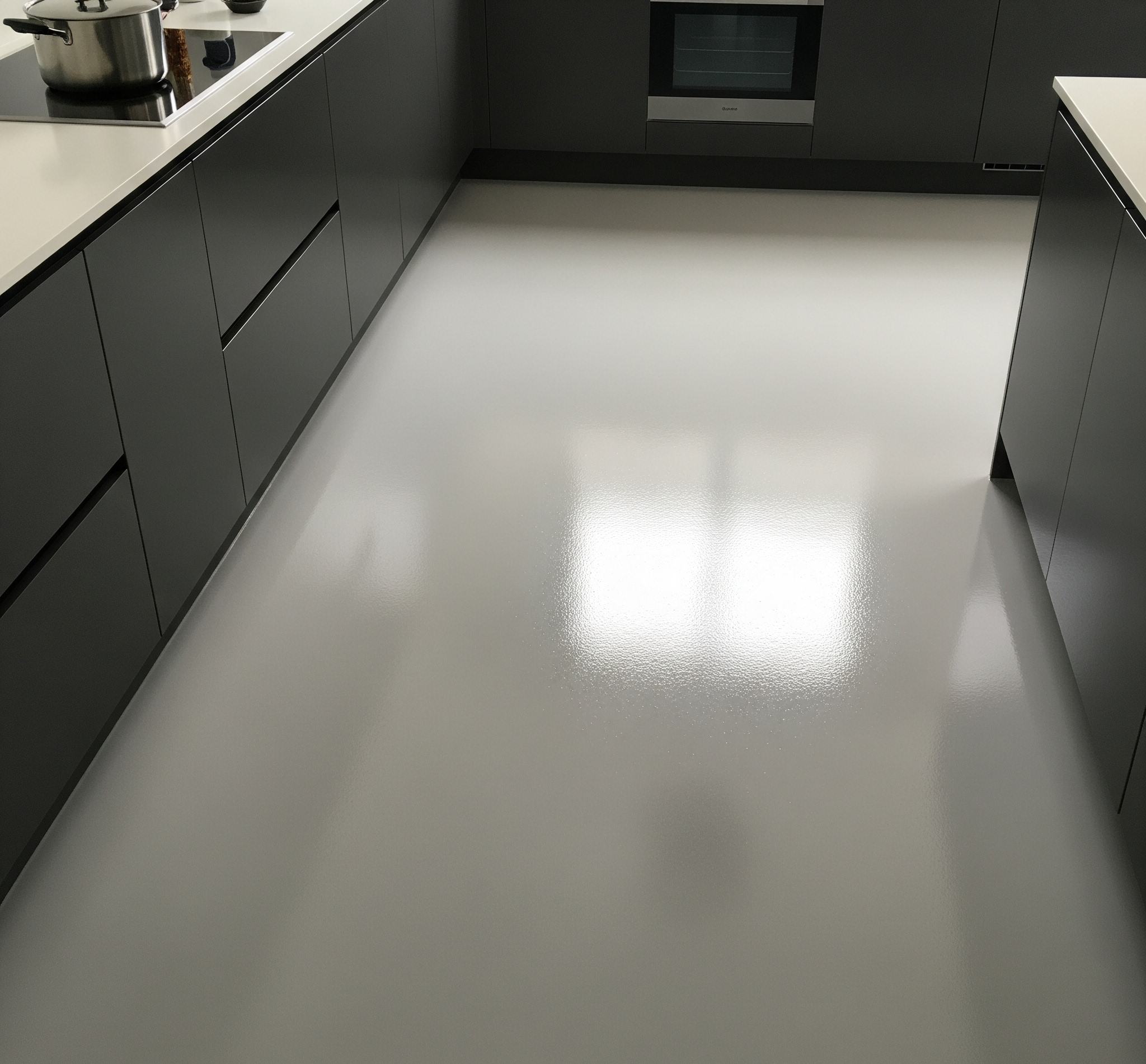
Breaking Down Epoxy Floor Cost: What You Need to Know
When considering a new flooring upgrade, epoxy flooring often emerges as the front-runner—and for good reason. It’s durable, eye-catching, low-maintenance, and resistant to just about everything life (or a car) can throw at it. But what about the cost?
The epoxy floor cost varies widely, depending on several key factors: surface preparation, square footage, the type of epoxy used, the number of coats, and whether any decorative elements are involved. On average, expect to pay anywhere from $3 to $12 per square foot.
For a basic application with no frills, prices hover around the lower end. But if you’re dreaming of metallic finishes, flake broadcasts, or 3D illusions, the price climbs—but so does the wow factor.
Labor is another component. While DIY kits might seem tempting with a $200–$400 sticker, they rarely provide the same lasting quality or visual impact as a professionally installed system. The preparation alone—cleaning, grinding, patching—requires experience and specialized equipment.
In the long run, investing in professional epoxy flooring pays off in durability and peace of mind.
Comparing Floor Coating Options for Concrete Surfaces
Concrete floors are like blank canvases. And when it comes to floor coating, epoxy isn’t the only game in town—but it’s arguably the most well-rounded.
Here’s how the most common coating systems stack up:
- Epoxy Coatings – Strong, seamless, and glossy. Ideal for high-traffic areas. Available in endless colors and textures. Cure times vary, but the durability is unmatched.
- Polyurethane Coatings – Offers flexibility and UV resistance. Less prone to yellowing than epoxy. Great for commercial kitchens or outdoor areas.
- Acrylic Sealers – Budget-friendly and easy to apply, but thinner and less durable. Better suited for decorative, low-traffic zones.
- Concrete Stains – Visually dynamic but offer no protective barrier. Typically paired with a sealer.
Epoxy outshines in longevity and customization, especially in garages, workshops, and industrial settings. It seals the concrete, resists chemicals, and can handle both weight and wear without cracking under pressure.
When choosing a coating, it’s essential to consider the environment. Is the space exposed to sunlight? Heavy machinery? Foot traffic or rolling tires? A seasoned contractor can guide you through the best system for your specific needs.
Epoxy Paint for Concrete vs. Industrial Epoxy Systems
The term epoxy paint for concrete gets tossed around frequently in home improvement aisles, but it can be misleading.
Epoxy paint is a hybrid—a latex-based paint mixed with a bit of epoxy for adhesion. It’s simple, inexpensive, and designed for homeowners looking for a weekend DIY project. But in terms of performance? It barely scratches the surface compared to commercial-grade epoxy coatings.
True epoxy flooring is a two- or three-component system that chemically cures into a solid plastic-like layer. It bonds with the concrete, not just rests on top. It’s thicker, tougher, and far more resistant to stains, abrasions, heat, and moisture.
If you’re looking to refresh a lightly used basement or a utility room, epoxy paint may suffice. But for a garage, warehouse, or business? Industrial epoxy is the clear winner. It’s engineered to endure—day in, day out.
Epoxy Floor Garage Upgrades: What’s Included?
Transforming your garage into a polished, usable space starts with understanding what goes into an epoxy floor garage installation.
Most full-service epoxy garage upgrades include:
- Mechanical Surface Prep – Diamond grinding or shot blasting to create a clean, roughened surface for proper adhesion.
- Crack & Pit Repair – Filling and leveling any imperfections in the existing concrete.
- Primer Application – Helps soak into the substrate and lock the system down.
- Base Coat & Color Flakes (Optional) – The color layer and visual design features.
- Topcoat Sealant – Adds UV stability, chemical resistance, and the desired gloss level.
Some systems also offer anti-slip additives, moisture mitigation barriers, and antibacterial topcoats depending on your environment. The beauty of epoxy is in the customization—it’s not one-size-fits-all.
Homeowners looking to increase both function and home value often find this is one of the most cost-effective upgrades they can make.
How Much Does It Cost to Epoxy a 2 Car Garage?
A common question with a surprisingly variable answer: how much does it cost to epoxy a 2 car garage?
For a standard 400–500 square foot two-car garage, the average cost ranges from $1,500 to $3,500. That includes materials, prep, labor, and finishing. Here’s how the costs break down:
- Basic Solid Color Epoxy: $3–$5/sq ft
- Decorative Flake System: $5–$7/sq ft
- Metallic or Designer Finish: $8–$12/sq ft
Prices also fluctuate based on your region, the condition of your concrete, and whether any moisture barriers or extra repairs are needed.
A key tip: beware of contractors who quote suspiciously low prices. Cutting corners on prep work or materials can lead to peeling, bubbling, and a floor that fails within a year. Quality installations should last 10 to 20 years or more with minimal maintenance.
Epoxy Flooring Garage Solutions That Last
The phrase epoxy flooring garage isn’t just about aesthetics. It’s about utility. Strength. Longevity. For many homeowners, the garage is more than a car park—it’s a workspace, a gym, a hobby zone, or a clean extension of the home.
Epoxy transforms that space into something special. It resists oil, road salt, moisture, and even hot tire pickup. With the right system in place, your garage floor becomes practically bulletproof.
And cleanup? A breeze. No more oil stains or dust clouds. Just a damp mop and a gentle cleaner restore the shine.
Epoxy flooring isn’t just a facelift—it’s a foundation you can rely on, year after year.
Why This Matters: Importance of the Article
Flooring choices are easy to overlook—until they start breaking down. This article sheds light on an often-ignored part of the home that makes a massive difference in both form and function.
Understanding the costs, materials, and expectations around epoxy flooring ensures you make the right choice from the start. A well-installed epoxy floor doesn’t just serve the present—it secures the future. It’s cleaner, stronger, more attractive, and adds genuine value to your property.
Making informed decisions now prevents costly repairs later. And in a world of rising home improvement costs, that’s not just smart—it’s essential.
Conclusion
Epoxy flooring isn’t a luxury—it’s a long-term solution. Whether you’re coating your garage, refreshing a basement, or protecting a commercial workspace, it offers a rare blend of strength, style, and simplicity.
Yes, the upfront cost might seem like more than a can of paint. But the payoff? A resilient, beautiful surface that stands up to life’s messes and looks good doing it.
It’s a commitment to quality, cleanliness, and lasting value. And in today’s world, that matters more than ever.
Ready to Upgrade Your Floor? (CTA)
Don’t settle for stained, cracked, or dusty concrete. It’s time to give your space the upgrade it deserves.
Visit Los Angeles Epoxy to explore your epoxy flooring options, get a free quote, and connect with professionals who care about the details. Whether it’s your home garage or a commercial floor, we’ll help you build something beautiful—one layer at a time.