
Concrete Pool Deck Resurfacing: Affordable Makeover Solutions
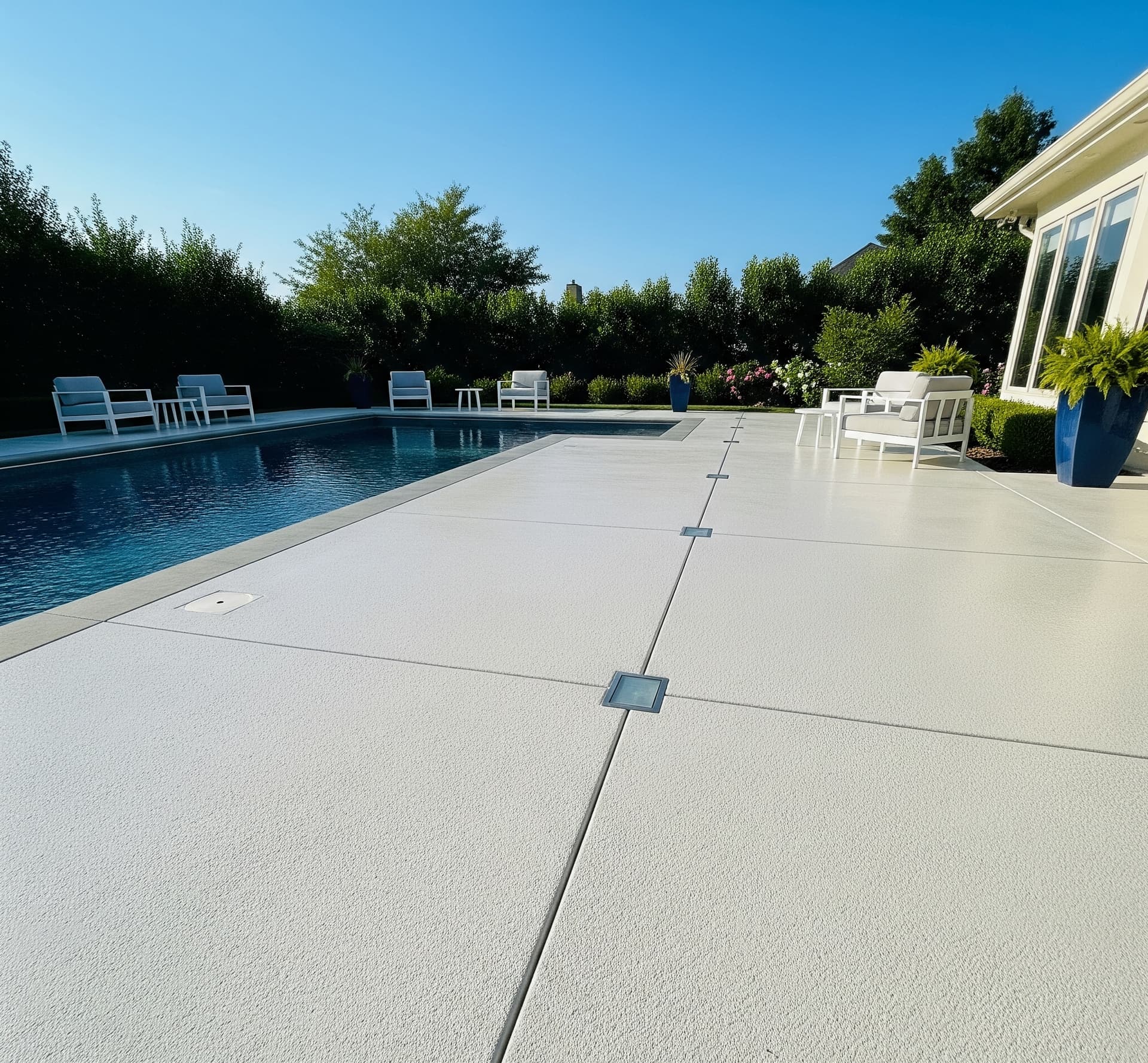
Introduction: Why Concrete Pool Deck Resurfacing Matters
When your pool deck shows signs of age—cracks, fading, or a worn-down surface—it can impact both aesthetics and safety. Fortunately, concrete pool deck resurfacing offers a practical and cost-effective solution to transform old surfaces without the expense of full replacement. Whether you’re dealing with weathered concrete in El Monte or sun-drenched slabs in Laguna Niguel, resurfacing provides a fresh look and better function.
This guide explores the top concrete pool deck resurfacing options, from textured overlays and color coatings to slip-resistant finishes. We’ll also cover modern alternatives like rubber pool deck resurfacing and acrylic coatings, giving you all the information you need to choose the right fit for your pool area.
Resurfacing not only enhances visual appeal but also improves comfort and usability. It prevents minor issues from turning into major structural problems, saving you money in the long run. In climates like Southern California’s, where sun and moisture are constant challenges, the right resurfacing treatment can dramatically improve surface performance.
Plus, newer resurfacing materials are formulated to be eco-friendly and longer-lasting. With proper care, your resurfaced pool deck can remain beautiful and functional for many years. If you’re wondering what kind of transformation is possible, just look at concrete pool deck resurfacing before and after photos—they reveal dramatic upgrades in both safety and style. These comparisons help homeowners visualize what resurfacing can accomplish and build confidence in choosing the right materials and finishes.
What Is Concrete Pool Deck Resurfacing?
Concrete pool deck resurfacing is the process of restoring your deck by applying a new surface layer over existing concrete. This method improves both durability and appearance without the need for demolition.
Common resurfacing materials include:
-
Acrylic Pool Deck Resurfacing: Great for adding color and slip resistance
-
Stamped Concrete Overlays: Mimics stone or tile textures
-
Rubber Pool Deck Resurfacing: Soft, cool underfoot, and impact-absorbent
-
Color Stains & Sealers: For a fast, decorative upgrade
Before starting, professionals clean the surface, patch any cracks, and apply a bonding agent. Once prepared, the new coating is applied and cured to create a long-lasting finish. Ideal for decks that are structurally sound but need a cosmetic or performance lift.
Concrete Pool Deck Resurfacing Options
Not all pool decks are the same—so having a variety of concrete pool deck resurfacing options helps you find the right match. Here are the most popular approaches:
-
Acrylic Coatings: These are UV-resistant and great for high-traffic areas. They help reduce heat and come in many colors.
-
Stamped Concrete Pool Deck Resurfacing: Offers a natural stone look using stamped patterns. Adds elegance with texture.
-
Rubber Pool Deck Resurfacing: Ideal for families with kids, this option is soft, slip-resistant, and comfortable.
-
Cement-Based Overlay Systems: Quick to install and excellent for hiding cracks or imperfections.
-
Stained Concrete: Adds bold color or a translucent finish for unique visual effects.
Each option has different benefits, cost points, and installation timelines. For areas like El Monte, high UV resistance is key. In Laguna Niguel, moisture and salt-air resilience matter most.
Comparison Table: Resurfacing Materials Breakdown
Here’s how the top resurfacing materials stack up:
Each material offers unique advantages depending on your climate, usage, and aesthetic preferences. Choosing the right one ensures long-term value and performance.
|
Material |
Cost (per sq. ft.) |
Appearance |
Benefits |
|
Acrylic Coating |
$3 – $5 |
Matte, colorful |
UV-resistant, quick drying |
|
Rubber Coating |
$5 – $7 |
Soft texture |
Shock absorbent, cool surface |
|
Stamped Concrete Overlay |
$6 – $10 |
Stone/tile look |
Customizable, textured, slip-resistant |
|
Cement-Based Overlay |
$4 – $6 |
Smooth/neutral |
Budget-friendly, fast application |
|
Colored Concrete Stains |
$2 – $4 |
Translucent or bold |
Cost-effective, decorative |
Local Insights: El Monte & Laguna Niguel Pool Deck Needs
El Monte residents frequently deal with extreme sun exposure, leading to hot and potentially hazardous pool deck surfaces. For this reason, acrylic pool deck resurfacing is a go-to option. Acrylic coatings reflect heat and offer textured finishes that reduce slipperiness. Their fast drying time is perfect for the drier climate in the area, making them a favorite among busy homeowners. When maintained properly, these decks can remain safe and vibrant for over a decade.
In Laguna Niguel, proximity to the coast brings more moisture and humidity. Rubber pool deck resurfacing excels here due to its water resistance and non-slip comfort. Homeowners also enjoy the natural look rubber provides when integrated with landscaping. This option withstands mildew and provides a cushioned surface that’s gentle on bare feet. It’s ideal for family settings and visually harmonizes with lush, coastal backyards.
Both cities benefit from periodic sealing—at least every two to three years—to protect the resurfacing layer and prolong longevity. Whether you’re prioritizing heat resistance or moisture defense, Los Angeles Epoxy offers tailored solutions designed for the specific needs of your climate and lifestyle.
FAQ: Concrete Pool Deck Resurfacing
Q1: How long does concrete pool deck resurfacing last?
A well-installed resurfacing job can last 10–15 years, depending on materials used and climate. Regular maintenance, like sealing and cleaning, extends its life. Proper preparation before installation also significantly impacts longevity, as does choosing materials suited to your environment.
Q2: Is stamped concrete resurfacing slippery?
Not if sealed with an anti-slip additive. Textured finishes offer traction, making it safer when wet. This is especially helpful for families and seniors. Selecting the right sealer and maintaining it over time ensures continued safety and surface grip.
Q3: Can I DIY a concrete pool deck resurfacing?
Yes, if the surface is in decent shape and you follow product instructions closely. DIY kits are available for acrylic and cement-based overlays. It’s essential to clean and prepare the surface properly before beginning, and always use protective gear.
Q4: What is the difference between concrete and cement pool deck resurfacing?
“Cement” refers to the binder in concrete. Most resurfacing products are cement-based, so the terms are often used interchangeably. In practical terms, both offer similar installation methods and durability when applied correctly.
Q5: Will resurfacing cover large cracks?
Minor surface cracks can be filled and hidden with overlays. Larger cracks or structural issues may require deeper repairs or professional evaluation. A surface inspection can help determine whether your pool deck is a good candidate for resurfacing.
Final Thoughts: Time to Refresh Your Pool Deck?
Concrete pool deck resurfacing is a cost-effective way to breathe new life into your outdoor space. Whether you choose a bold acrylic finish, a decorative stamped concrete pool deck resurfacing, or a soft rubber coating, you’ll gain safety, comfort, and style without tearing everything out.
Local homeowners in El Monte and Laguna Niguel can trust these resurfacing methods to withstand sun, foot traffic, and coastal elements. From color-rich stains to durable cement-based overlays, your design options are as varied as your aesthetic taste. The transformation is not only practical but also adds visual appeal to your pool area.
Additionally, products today come with better sealing technology and climate resilience, so your pool deck stays fresh for longer. Don’t overlook the benefits of sealing every few years to protect your investment. Ready to upgrade your pool deck? Contact Los Angeles Epoxy today for expert recommendations, seamless application, and long-lasting beauty.
Act Now for Expert Concrete Resurfacing Services!